
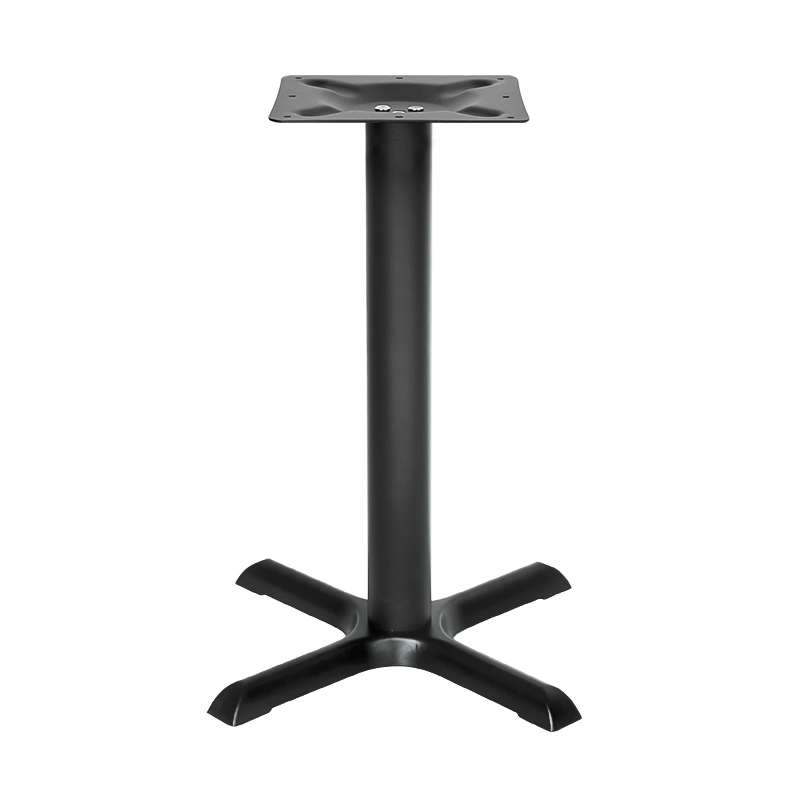
Why Do Commercial Table Base Orders Fail? 7 Problems Buyers Should Check Before Production
When sourcing commercial table bases, most buyers naturally focus on three things: product price, appearance and delivery time.
But experienced wholesalers and furniture importers know that the real cost of a purchasing mistake often appears after the order is placed.
A sample may look perfect, but the bulk order may have inconsistent finishes. A metal table base may look strong in product photos, but its actual structure may not provide sufficient stability. Even a competitive quotation can become expensive when packaging damage, incorrect dimensions or delayed shipments affect the entire project.
For restaurant furniture wholesalers, distributors, furniture manufacturers and hospitality project contractors, these problems can mean customer complaints, additional costs and lost business opportunities.
So, what should you check before placing a bulk order with a commercial table base manufacturer?
Here are seven common problems worth examining before production begins.
1. Inconsistent Product Quality Between Samples and Bulk Orders
One of the biggest concerns when importing wholesale table bases is the difference between the approved sample and the final mass-produced products.
A sample may have an attractive powder-coated finish, smooth edges and a stable structure. However, when hundreds or thousands of units are produced, even small differences can become noticeable.
Common issues include:
Different coating thickness or surface appearance.
Inconsistent product dimensions.
Differences in welding quality.
Uneven colors between production batches.
Variations in components or assembly details.
For wholesalers, consistency is particularly important because products from the same order may be distributed to different customers or sold over an extended period.
What should buyers check?
Before production, confirm the following:
Are the approved samples consistent with the final technical specifications?
Are product dimensions and material requirements clearly documented?
Can the manufacturer explain how bulk production quality is controlled?
Can key product details be checked before shipment?
A reliable manufacturer should be able to communicate clear product specifications and provide reasonable quality inspection arrangements.
AEONTI's approach
At AEONTI, we understand that bulk purchasing requires more than an attractive sample. For wholesale and project orders, we work with buyers to clarify product specifications, materials, dimensions, finishes and order requirements before production.
Our goal is to help customers reduce avoidable differences between product expectations and delivered goods.
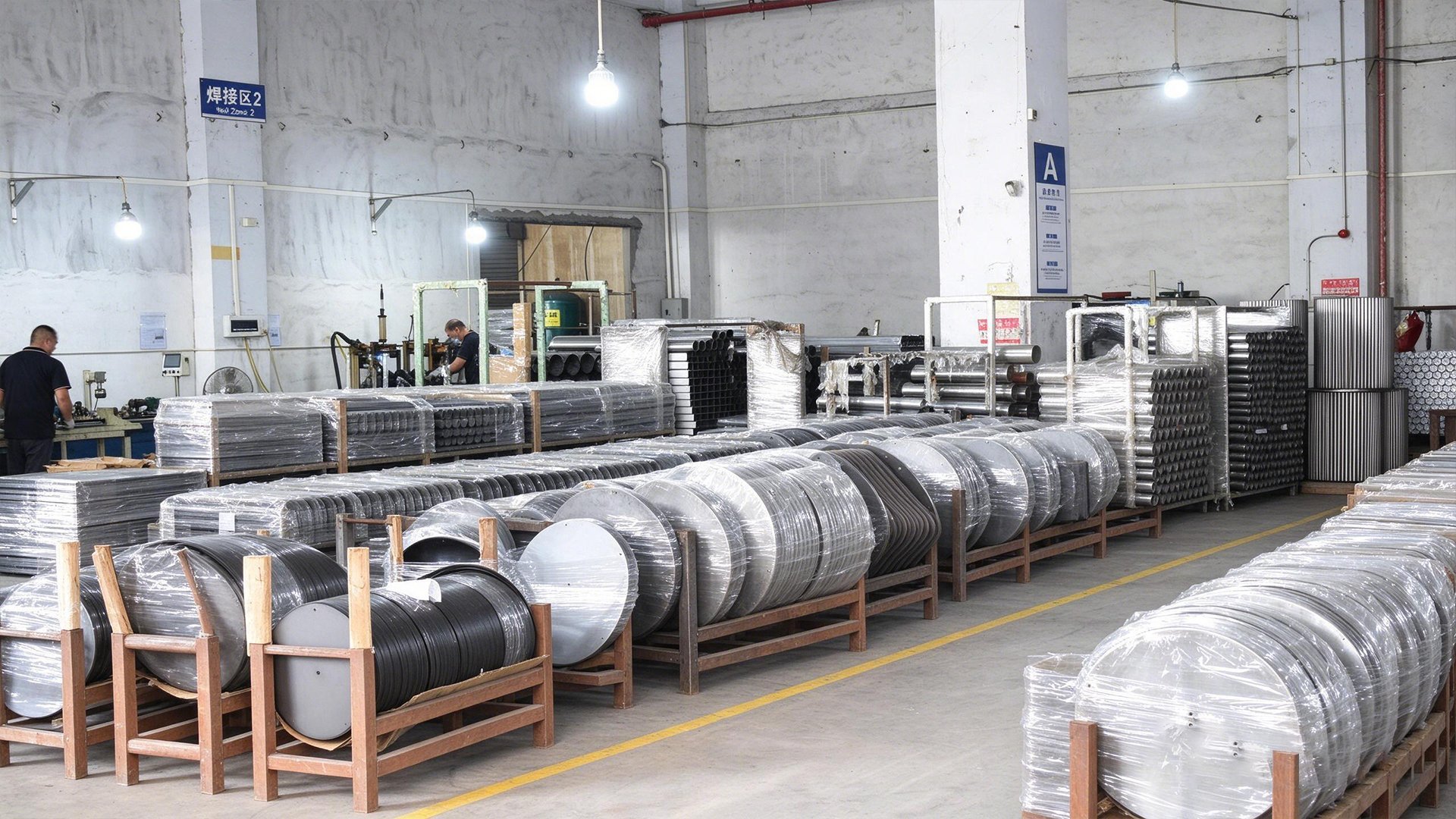
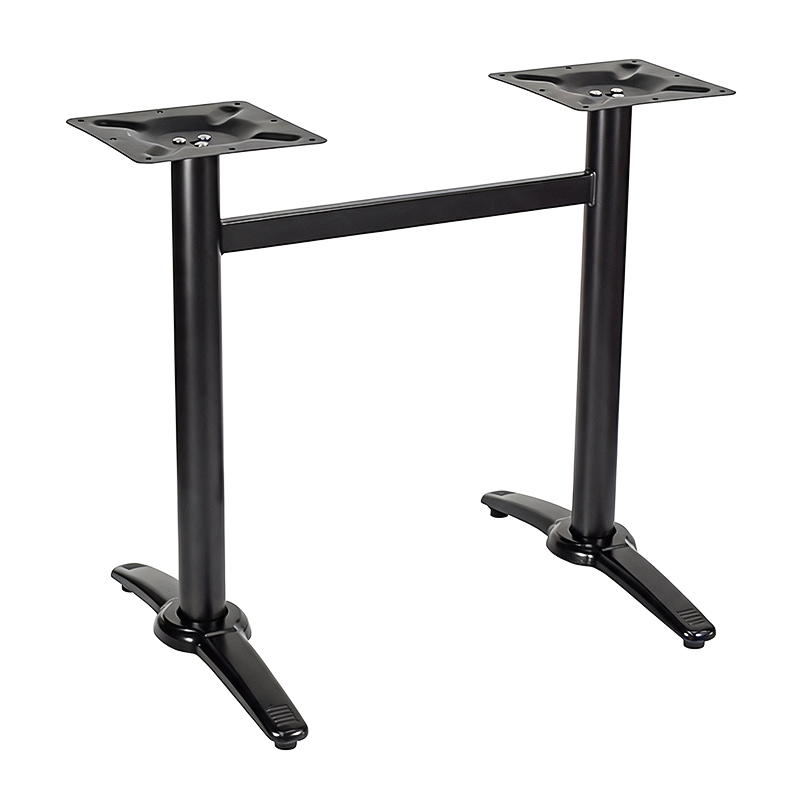
2. Weak Welding and Unstable Table Base Structures
A commercial table base must do more than look attractive. It must support the tabletop and perform reliably in its intended application.
Restaurants, cafés, hotels and other commercial environments often involve frequent daily use. An unstable table can negatively affect the customer experience and create additional maintenance problems.
Some common structural problems include:
Insufficient welding at important connection points.
Poorly designed support plates.
Inadequate base dimensions.
Weak connections between the column and base plate.
Structural designs that do not match the intended tabletop.
A table base that looks heavy-duty in photographs is not necessarily suitable for every commercial application.
What should buyers check?
Pay particular attention to:
•Welding quality at critical joints.
•The connection between the base plate and support column.
•The overall structure and weight distribution.
•Whether the base dimensions match the intended tabletop.
Stability under the intended load and usage conditions.
Do not evaluate a metal table base only by its appearance or total weight. Its structural design and actual application matter just as much.
3. Poor Surface Finishing and Insufficient Corrosion Protection
Surface finishing directly affects how commercial table bases look after months or years of use.
For buyers supplying restaurants, hotels and furniture retailers, poor finishing can lead to customer complaints and additional after-sales costs.
Potential problems include:
Uneven powder coating.
Scratches and exposed metal surfaces.
Poor adhesion of the coating.
Rust developing during storage or transportation.
Color differences between different production batches.
Different materials also require different finishing considerations.
For example, iron table bases commonly use powder coating to achieve a protective and decorative surface. Stainless steel table bases may use brushed, polished or other specified finishes, depending on the design.
What should buyers check?
Ask your manufacturer:
• What surface treatment is available for each material?
• Can the manufacturer provide finish samples?
• How are scratches, coating defects and color consistency checked?
Is the selected finish suitable for the intended indoor or outdoor environment?
If the project requires a particular color, texture or finish, confirm it before mass production rather than relying only on verbal descriptions.
4. Incorrect Dimensions and Mounting Compatibility
A table base can be beautifully manufactured and still become a purchasing problem if it does not match the tabletop.
This is especially important for buyers sourcing table bases separately from tabletops.
For example, a base may have an unsuitable mounting plate, incorrect screw-hole positions or a support structure that does not match the tabletop dimensions.
These problems can cause installation difficulties, additional modification costs or delays during project assembly.
What should buyers check?
Before confirming an order, provide your supplier with:
• Tabletop length, width and thickness.
• Tabletop material.
• Required table height.
• Mounting plate dimensions.
• Screw-hole positions.
Intended application and table configuration.
For custom table bases, technical drawings or reference samples are particularly useful.
A professional manufacturer should review the compatibility of the table base structure and the tabletop rather than simply quoting a product based on a photograph.
5. Choosing a Table Base That Cannot Properly Support the Tabletop
Not every table base is suitable for every tabletop.
This is a common issue when buyers select products based mainly on appearance or price.
Different tabletop materials have different weights, dimensions and structural requirements.
For example:
Sintered stone tabletops may require careful consideration of support and mounting.
Solid wood tabletops may have different weight and expansion characteristics.
Melamine and HPL tabletops may be suitable for different table base configurations depending on their dimensions and construction.
Large rectangular tabletops may require a different support arrangement from small round tabletops.
The wrong combination can affect table stability, usability and long-term performance.
What should buyers check?
Consider these factors together:
| Factor | What to evaluate | ||
| Tabletop material | Stone, wood, melamine, HPL or other materials | ||
| Tabletop dimensions | Length, width and thickness | ||
| Tabletop weight | Actual or estimated weight | ||
Table base structure | Pedestal, four-leg, T-shaped or cross-shaped | ||
Intended application | Restaurant, café, hotel or other commercial use | ||
Installation | Mounting plate and fixing method |
Instead of choosing a table base based only on its appearance, evaluate the complete table configuration.
This is particularly important for wholesalers who want to develop multiple product combinations for different customer groups.
6. Poor Packaging That Leads to Transportation Damage
Packaging is often overlooked during the quotation stage.
However, metal table bases can be scratched, dented or damaged during handling, loading and international transportation if the packaging is not suitable.
For importers, this can result in additional costs even when the products themselves have been manufactured correctly.
Common packaging risks include:
Insufficient protection between metal components.
Inadequate corner and edge protection.
Product movement inside cartons.
Packaging that is unsuitable for long-distance transportation.
Inefficient carton dimensions that affect container loading.
What should buyers check?
Before confirming packaging requirements, discuss:
1.Individual product protection.
2.Carton strength and internal cushioning.
3.Whether metal components need separate wrapping.
4.Pallet or non-pallet packaging requirements.
5.Container loading efficiency.
6.Packaging labels and product identification.
For wholesale orders, packaging should be considered part of the purchasing plan, not simply an additional step before shipment.
A suitable packaging solution can help reduce damage risks and improve transportation efficiency.
7. Unreliable Production Lead Times and Delivery Arrangements
A competitive price means little if the goods arrive too late for your customers.
For furniture distributors, restaurant suppliers and project contractors, delivery delays can affect inventory planning, installation schedules and customer commitments.
Production delays may result from:
Unconfirmed technical specifications.
Late approval of samples or finishes.
Unclear order quantities.
Material preparation issues.
Changes made after production has started.
Poor communication between the buyer and manufacturer.
What should buyers check?
Before placing an order, confirm:
• Whether all product specifications are finalized.
• Whether the production lead time is clearly communicated.
• Whether sample approval is required before mass production.
• Whether packaging and shipment arrangements are included in the planning.
• How changes or unexpected production issues will be communicated.
A clear purchasing process helps both parties reduce misunderstandings and manage delivery expectations more effectively.
8. How to Choose a Reliable Commercial Table Base Manufacturer
Avoiding these seven problems starts with choosing the right manufacturing partner.
A competitive quotation is important, but it should never be the only factor in your supplier evaluation.
When comparing commercial table base manufacturers, consider the following:
Evaluation Point
Questions Buyers Should Ask
| Manufacturing capability | Can the factory produce the required product structures and materials? | ||
| Product range | Does the supplier offer iron, stainless steel, aluminum and cast iron table bases? | ||
| Customization | Can dimensions, finishes and structures be adjusted? | ||
| Quality control | Are specifications and inspection arrangements clearly defined? | ||
Bulk order experience | Can the manufacturer handle your expected order quantity? | ||
Packaging | Can packaging be adjusted to your shipping requirements? | ||
Communication | Can the supplier respond clearly to technical and purchasing questions? |
The best supplier is not necessarily the one offering the lowest initial price.
It is the manufacturer that understands your product requirements, communicates clearly and can support your purchasing needs over the long term.
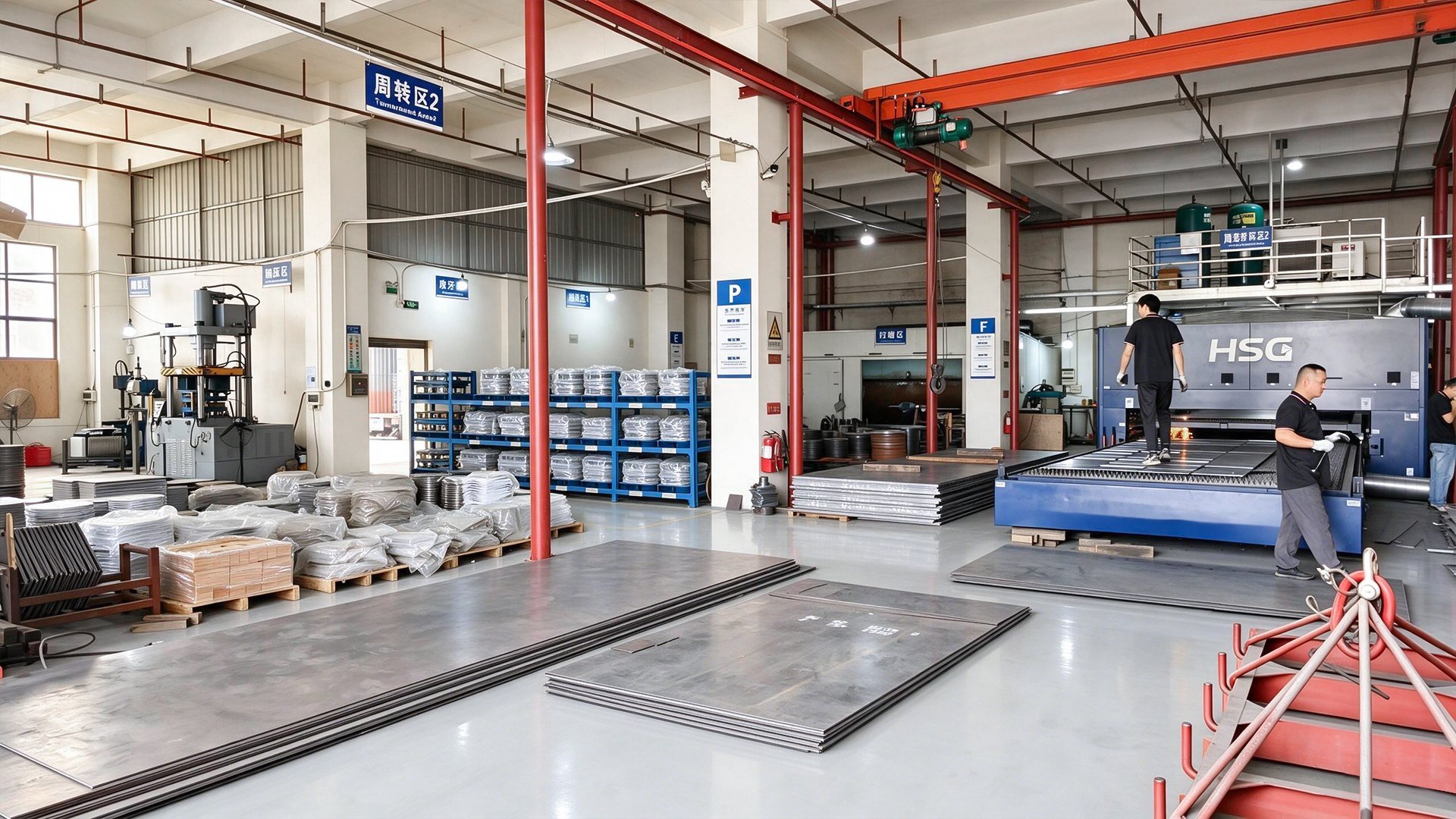
Why Consider AEONTI for Your Commercial Table Base Sourcing?
Finding the right table base manufacturer can make a significant difference to your purchasing efficiency and product development plans.
AEONTI focuses on commercial dining furniture manufacturing and wholesale supply, with particular attention to metal table bases and dining tables.
We work with international buyers who need products for wholesale distribution, furniture manufacturing, hospitality projects and commercial furniture supply.
Our product options include:
• Iron table bases.
• Stainless steel table bases.
• Aluminum table bases.
• Cast iron table bases.
• Commercial dining tables.
Customized table base and dining table solutions.
Whether you are developing a new product collection, sourcing table bases for wholesale distribution or preparing for a commercial furniture project, we can discuss your requirements and explore suitable manufacturing options.
What can you send us to get a more accurate quotation?
You do not need to prepare a complicated purchasing document.
Simply share:
1.Product photos or reference designs.
2.Required dimensions and materials.
3.Preferred surface finish or color.
4.Estimated order quantity.
5.Destination country.
Our team can review your requirements and discuss suitable product options, customization possibilities and quotation details.
Don't wait until production problems affect your delivery schedule or customer relationships.
Whether you need standard metal table bases, heavy-duty commercial table bases or customized products for wholesale and project purchasing, AEONTI is ready to discuss your sourcing requirements.
Send us your product specifications or reference photos today. Let's find the right table base solution for your business.
📩 Send an inquiry →[Contact Us Form]
📞 WhatsApp: +86 17841353079
📧 Email: aeonti@aeonti.com
🌐 Website: www.aeonti.com