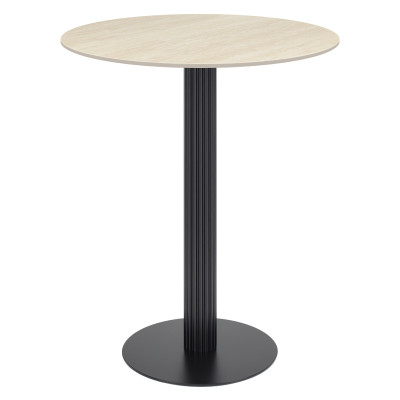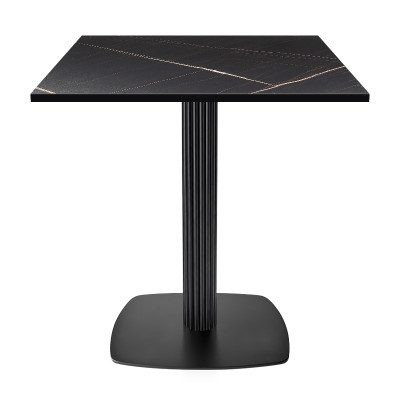
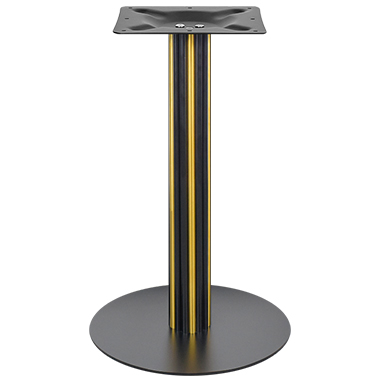
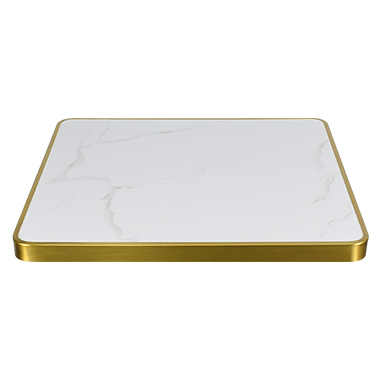

Why Do Table Bases Fail? 8 Problems Commercial Buyers Should Check Before Ordering
Why do some table bases start to wobble, deform, lose their finish, or even crack, shortly after installation? For an ordinary consumer, a failed table base is a small repair. But for restaurant furniture wholesalers, furniture distributors, project procurement teams and commercial furniture brands, a whole batch of failing table bases costs far more than the product itself.
Rework, replenishment, customer complaints, on-site installation, project delays and return logistics can all turn a seemingly cheap table base into an expensive purchase. So when sourcing commercial table bases, the real question is not what the lowest unit price is, but:
Below are the 8 problems every commercial buyer should check before ordering table bases wholesale.
1. The Table Base Is Too Weak for the Tabletop
This is one of the most overlooked issues in commercial purchasing. Many buyers choose a table base by looking first at price, appearance, dimensions, surface color and customization options. For restaurants, cafes, hotels and commercial spaces, the more important question is whether the table base truly suits your tabletop.
A large sintered stone top or a heavy solid-surface tabletop can already weigh a lot on its own. If the table base has insufficient tube specifications, a base plate that is too thin, a footprint that is too small, or weak welding points, it may wobble, sink or deform over time, even if it looks fine on installation day.
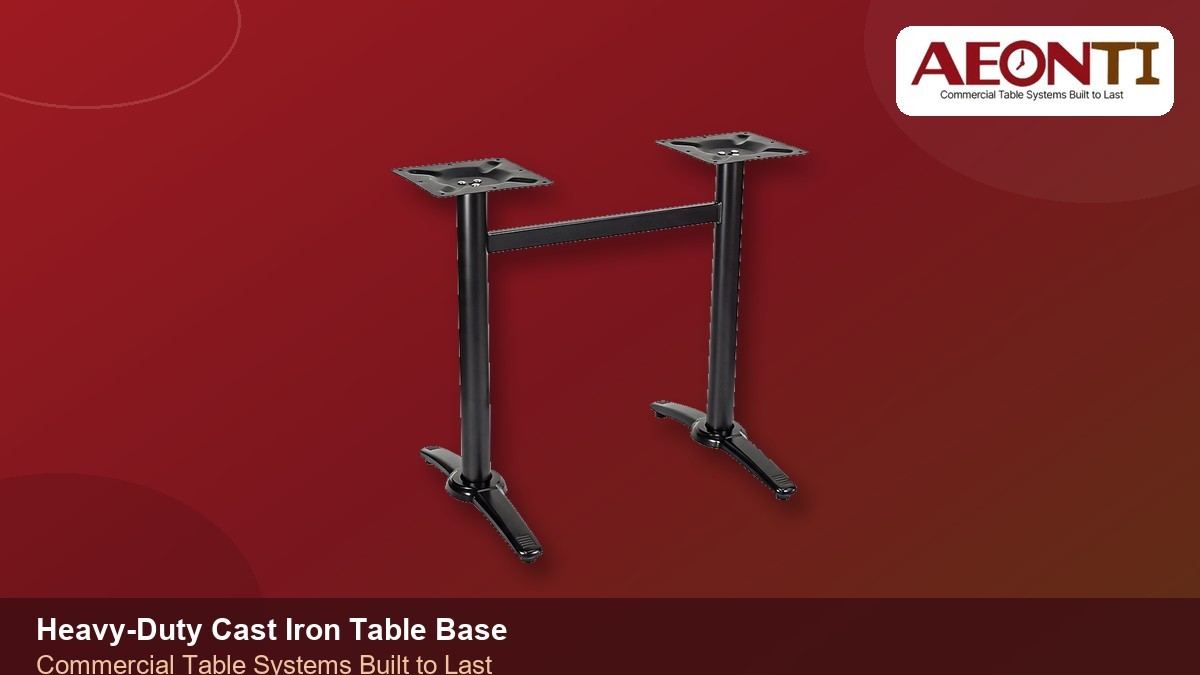
2. The Base Is Not Stable Enough
Can carry load and is stable are not the same thing, a distinction many first-time buyers of commercial table bases miss. A table base can have adequate load capacity yet still produce a clearly wobbling table if:
- The base footprint is too small
- The center of gravity is too high
- The support tube diameter is insufficient
- The base structure or mounting position is poorly designed
Restaurant tables, cafe tables, bar tables and tables in public areas endure heavy repeated use every day. Guests move chairs, lean on the edge and push the top, and each action applies force to the table base from a different direction. A commercial table base must therefore be evaluated on stability + weight distribution + daily commercial use, not static load figures alone.
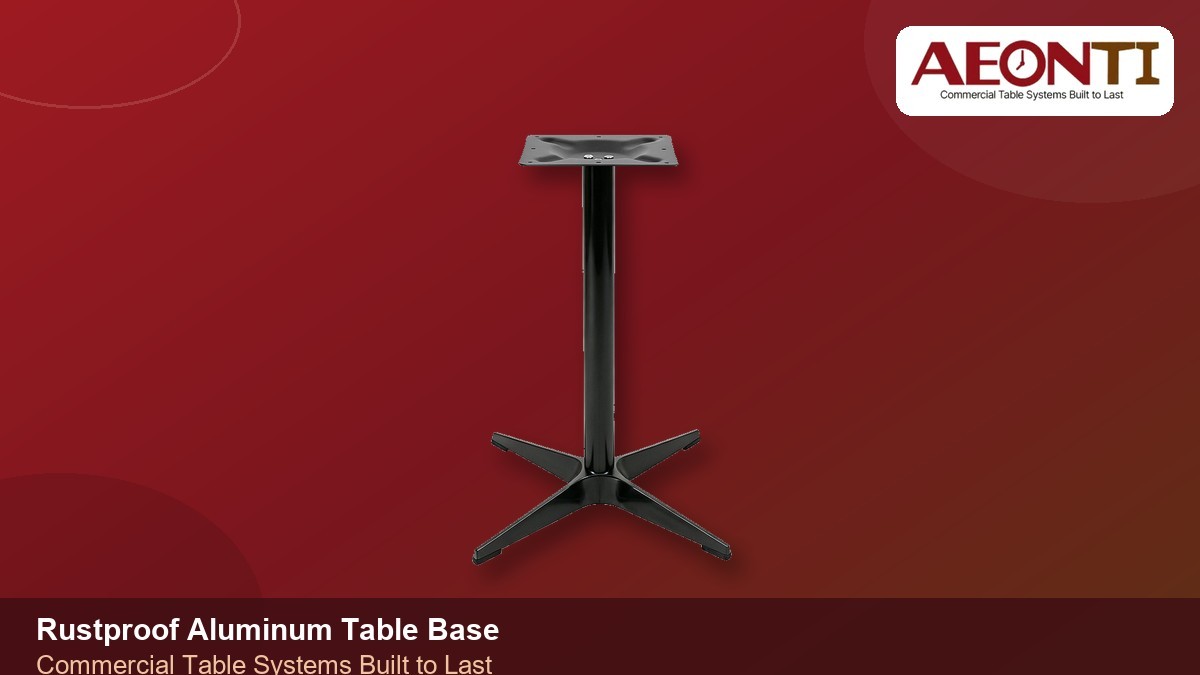
3. Poor Welding Causes Long-Term Problems
For metal table bases, welding is one of the most critical production steps. To cut costs, some suppliers reduce the number of welding points, shorten weld seams or lower processing standards. The product may look fine when it leaves the factory, but after production, packing, ocean freight, handling, installation and commercial use, weak welds gradually show. This matters most for four-leg structures and heavy duty table bases, which place higher demands on structural joints.
Do not judge by product photos alone. Ask the table base manufacturer to confirm the welding process, the number and position of welding points, tube thickness, reinforcement structure and the quality inspection process. If a supplier can only say that its quality is very good but cannot explain the structure and production standards behind it, be careful.
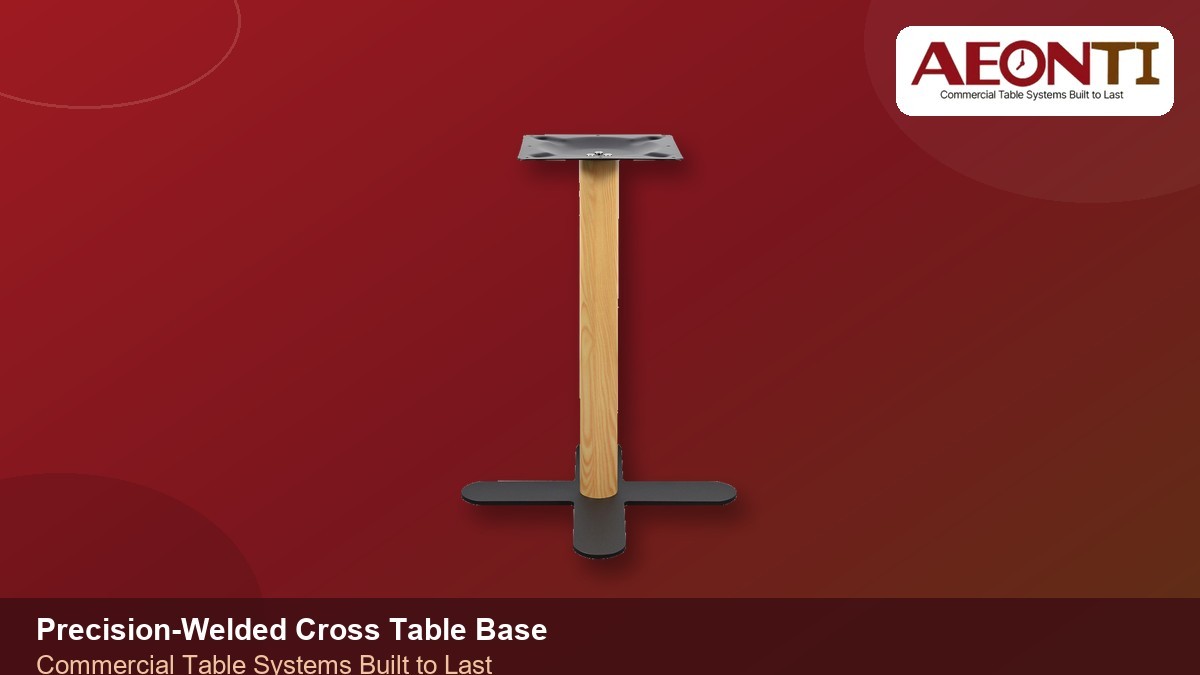
4. The Metal Thickness Is Too Thin
A very real problem in wholesale purchasing: two table bases that look almost identical can differ sharply in price. One common reason is different material specifications, meaning the thickness of the steel tube, steel plate or base plate. That difference directly affects weight, strength, stability, raw material cost and service life.
This is why commercial buyers should not only compare Supplier A at $XX against Supplier B at $XX, but ask what exactly is included in the $XX.
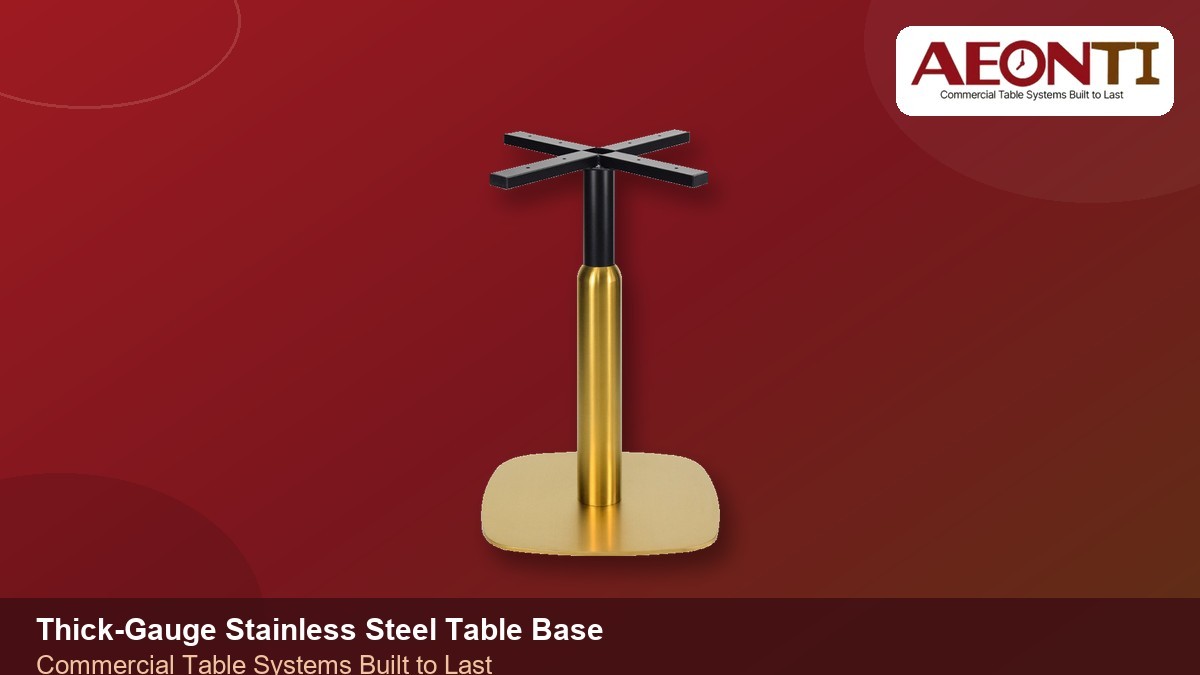
5. The Finish Looks Good in Photos but Fails in Real Use
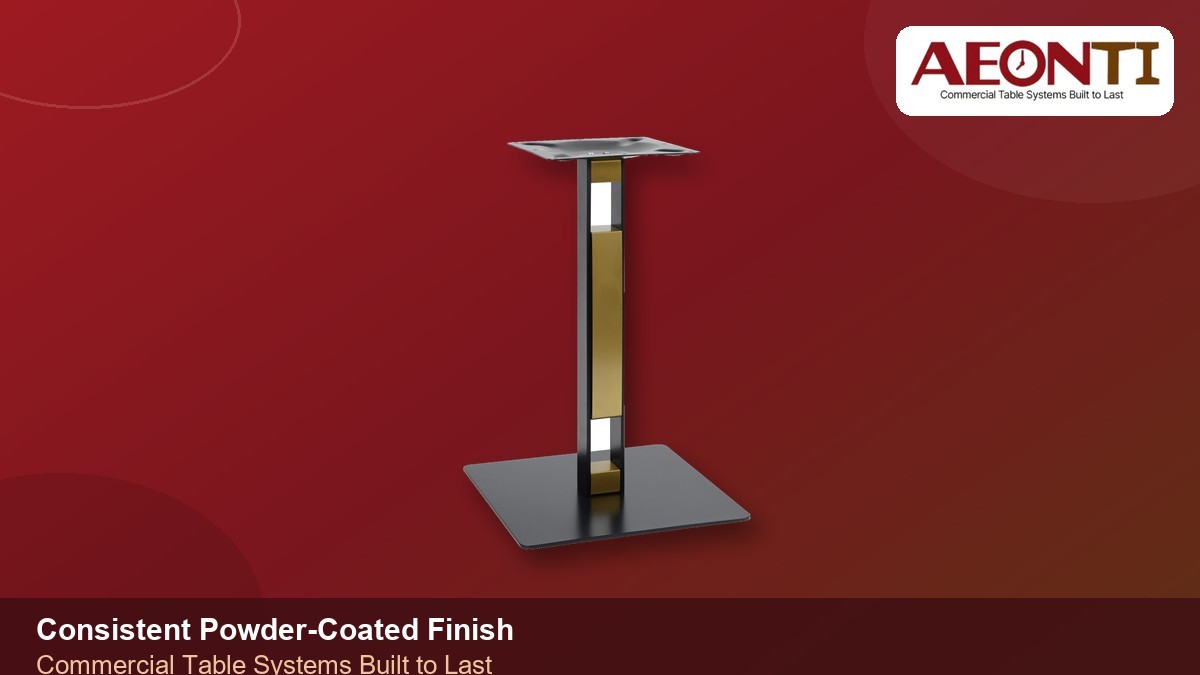
Appearance matters in restaurant and commercial furniture, but the surface finish of a commercial table base is not only about looks. It also determines scratch resistance, color consistency, cleaning resistance and long-term appearance, especially for common commercial finishes in black, white and metallic colors.
If finishing is not stable, wholesalers run into a particularly annoying problem: the first batch matches the sample and the second batch does not. For distributors and brand owners, that breaks the consistency of an entire product line. Before ordering in bulk, confirm finish sample + color reference + surface treatment + inspection standard, and approve a final pre-production sample if color accuracy is critical for the project.
6. The Table Base Is Difficult to Install
Something buyers rarely consider before ordering, but for wholesalers and project contractors, installation cost is also product cost. A complicated installation process means more installation time, higher labor cost, more assembly errors, on-site rework and project delays. Hotel, restaurant and commercial space projects may involve dozens, hundreds or even thousands of tables.
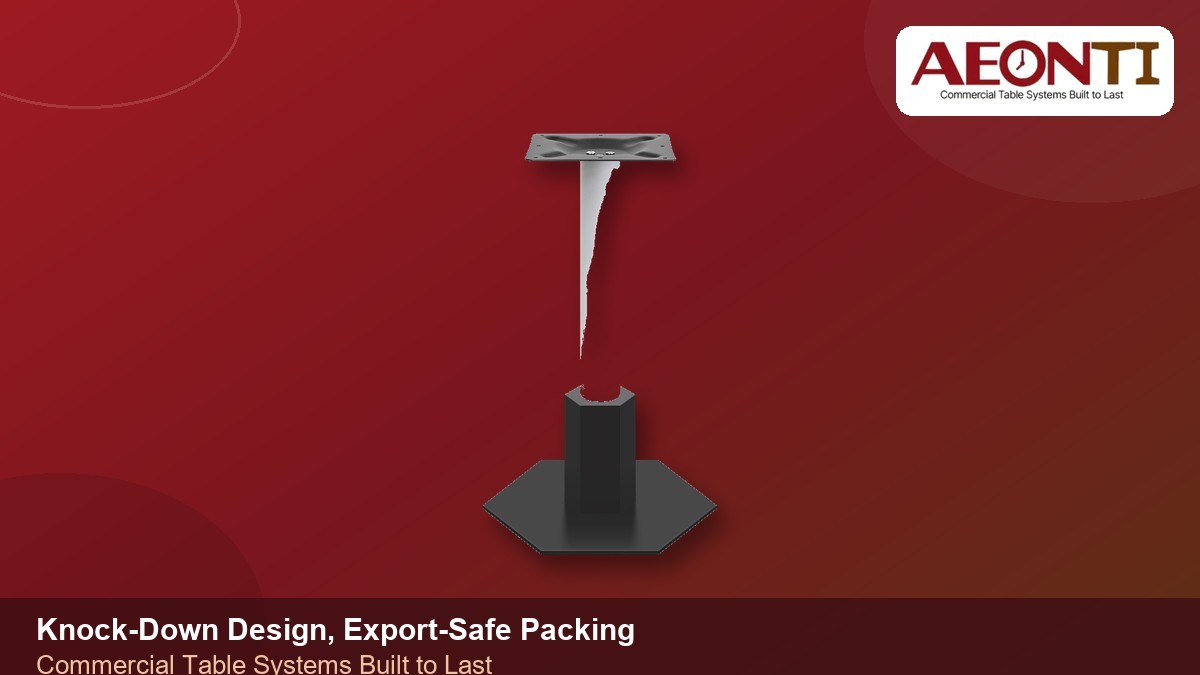
Assume each table base takes only 5 extra minutes to install. On a 500-table project, that is 2,500 minutes, more than 41 hours of additional labor. So when ordering table bases in bulk, do not only ask how much the table base is, also ask how easy it is to install. Knock-down structures, standardized hardware and clear instructions all reduce your on-site cost.
7. Packaging Is Not Designed for International Shipping
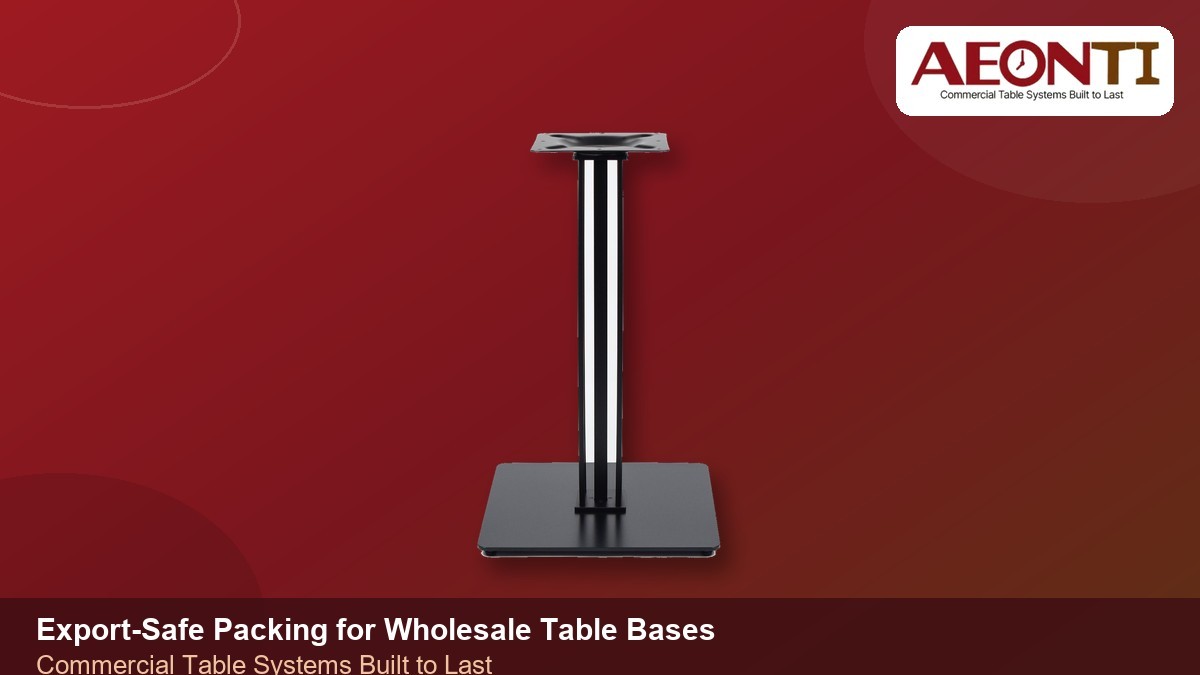
A table base that is perfect in the factory can still arrive damaged, a core concern in export purchasing. International shipping exposes products to factory, truck, warehouse, port, container, ocean freight, destination warehouse and final delivery. If packaging is poorly designed, the result is surface scratches, broken welding points, damaged cartons, missing hardware or mixed components.
For wholesalers, the worst part is not one or two damaged units, but discovering rework and replenishment needs only after an entire batch reaches the warehouse. Before ordering, confirm the full packaging checklist: individual carton or bulk packing, foam or corner protection, labeled hardware, palletized or non-palletized, carton dimensions and weight, and the container loading method. For large-volume orders, packaging design directly affects container utilization + freight cost + damage rate.
8. The Supplier Cannot Maintain Consistent Quality
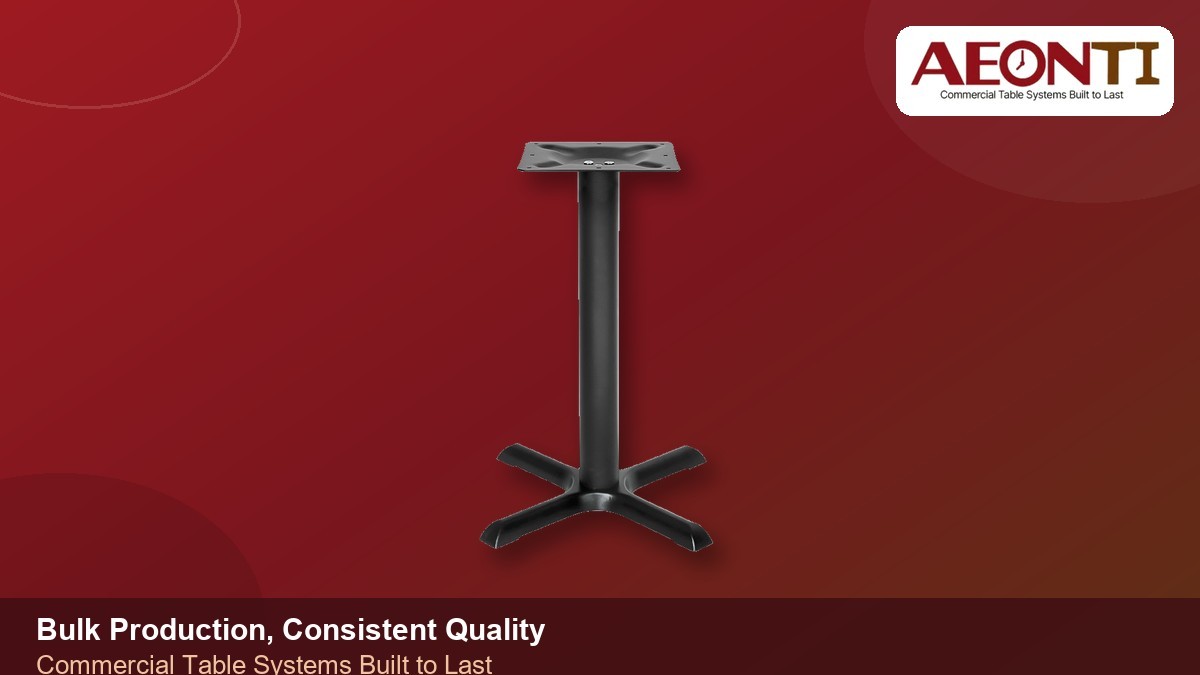
Buying one table? A single defective unit is easy to solve. Buying 100, 300, 500 or 1,000+ table bases? Then the real question is whether the supplier can produce the same quality repeatedly. This is one of the biggest differences between bulk purchasing and retail purchasing. What a commercial buyer truly needs is not one perfect sample but consistent bulk production.
The first batch may be dimensionally accurate, well welded, well finished and well packed, while the second batch shows different tube thickness, a different color, different welding quality, a changed base plate size and different packing. When selecting a table base manufacturer, understand their production capacity, raw material control, quality control system, sample approval process, bulk production inspection, packaging standard and OEM/ODM capability.
The cheapest table base is not always the cheapest choice.
For wholesalers, this is the one sentence worth remembering throughout the entire procurement process.Total Cost of Ownership: $25 vs $29, Which One Is Really Cheaper?
Supplier A quotes $25 per table base and Supplier B quotes $29. On paper, A is $4 cheaper. But if Supplier A's batch carries a 3% damage rate, 5% quality complaints, inconsistent finish, higher installation cost and weak packaging, the final cost can far exceed the $4 saved at the start. This is why commercial furniture buyers should compare Total Cost of Ownership (TCO), not unit price:
| Cost Factor | Supplier A, $25 / base | Supplier B, $29 / base |
|---|---|---|
| Unit price | $25.00 | $29.00 |
| Damage and complaint allowance | 3% damage + 5% complaints, about +$1.90 | Under 1%, about +$0.30 |
| Finish inconsistency, re-sorting or re-spraying | About +$0.85 | About +$0.00 |
| Extra installation time on site | About +$1.10 | About +$0.25 |
| Replacement freight and re-handling | About +$1.00 | About +$0.10 |
| Project delay risk | High, rework delays handover | Low, predictable delivery |
| Estimated real cost per usable base | About $29.85 plus delay risk | About $29.65, predictable |
Illustrative example based on typical wholesale scenarios. Actual figures depend on project scale, shipping route and application. A truly suitable commercial table base must satisfy strength + stability + finish + installation + packaging + consistency at the same time, and that is the cost that actually matters.
7 Questions to Ask Before Ordering Table Bases
If you are looking for a table base supplier or manufacturer, you can send the questions below directly to any supplier before placing an order:
| Question | Why It Matters |
|---|---|
| What tabletop sizes do you recommend? | Confirms the table base matches the tabletop |
| What are the tube and plate thicknesses? | Avoids downsized material specifications |
| How are the bases welded and inspected? | Reveals structural stability |
| What finishes are available? | Ensures consistent product appearance |
| How is the product packaged? | Reduces damage in international shipping |
| How easy is installation? | Controls on-site labor cost |
| Can you maintain consistent bulk quality? | Reduces bulk-order risk |
Tip: a supplier who answers these 7 questions with specifics instead of slogans is usually a supplier you can work with for years.
Final Takeaway: Do Not Buy Table Bases by Price Alone
For commercial furniture buyers, the real question has never been where to find the cheapest table base. It should be: which supplier can give me stable quality at a predictable total cost? If you are a wholesaler or project buyer choosing a table base manufacturer, use these 8 problems as your supplier screening checklist. A truly capable supplier should be able to tell you clearly what the product is made of, how it is produced, how it is tested, how it is packed, and how it will perform in your commercial application.
Get a Table Base Recommendation for Your Project
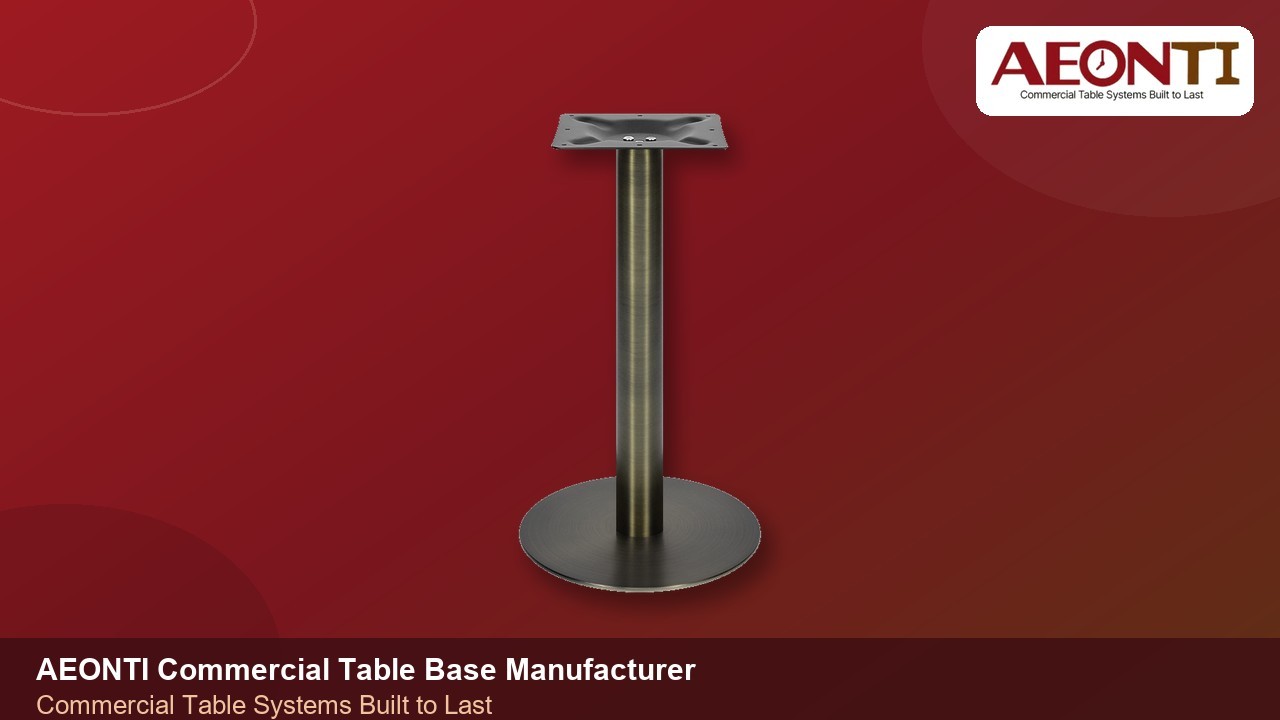
AEONTI supplies metal table bases for wholesale, commercial furniture and project applications, including stainless steel table bases, aluminum alloy table bases, iron table bases and cast iron table bases. For bulk orders, OEM/ODM projects or custom table base requirements, send us your project details and our engineering team will recommend a suitable table base solution and quotation, typically within 24 hours. You can also preview your own tabletop and base combination in real time with the online table design tool.
- Send us: tabletop size + material + quantity + preferred finish + application
- Email: aeonti@aeonti.com
- WhatsApp: +86 178 4135 3079
- Request a quote: Contact the AEONTI sales team
- Visit us: Foshan factory showroom