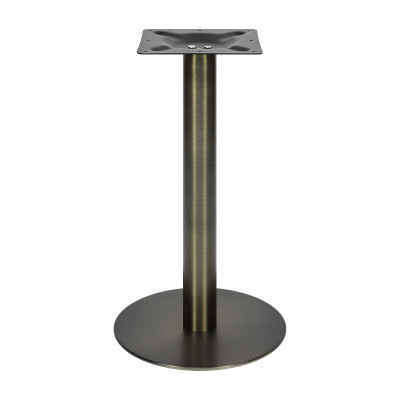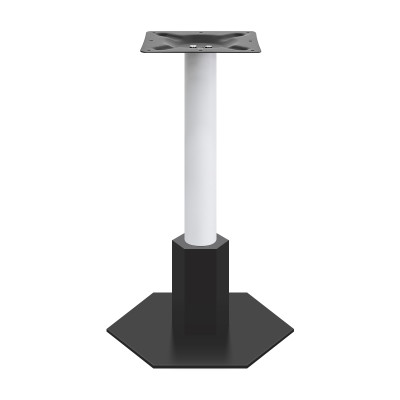
How to Choose Commercial Table Tops: The Complete Wholesale Buyer's Guide
How to Choose Commercial Table Tops: The Complete Wholesale Buyer's Guide
When you're sourcing table tops for a 200-unit restaurant chain, a boutique hotel group, or a furniture distribution catalog, the wrong material choice doesn't just cost money — it costs reputation, repeat business, and replacement cycles.
A commercial table top isn't a decorative surface. It's a wear component. It takes heat, spills, scratches, cleaning chemicals, and daily impact — sometimes 16 hours a day, 365 days a year. Choosing the right one means understanding materials, sizes, edge profiles, and durability standards before you place a wholesale order.
This guide breaks down everything a B2B buyer needs to know when sourcing commercial table tops at wholesale volume — from material comparison to compliance testing.

Why Material Choice Matters More Than You Think
In residential furniture, a table top is primarily an aesthetic decision. In commercial environments, it's an operational one. Here's why:
- Replacement cost: A failed table top in a 500-location chain isn't one replacement — it's 500+, plus the labor, logistics, and downtime across every site.
- Liability and compliance: Health inspectors, fire marshals, and insurance underwriters increasingly check surface materials for fire ratings, food-safety compliance, and structural integrity.
- Guest perception: Warped, scratched, or stained surfaces directly impact Yelp reviews, return rates, and brand perception — even when the food is perfect.
The material you specify at the procurement stage determines the next 3–7 years of operational performance. Choose accordingly.
The 9 Commercial Table Top Materials — Side-by-Side Comparison
Not all table tops are created equal. AEONTI manufactures nine distinct material families, each engineered for specific commercial applications, budgets, and durability tiers. Here's how they compare:
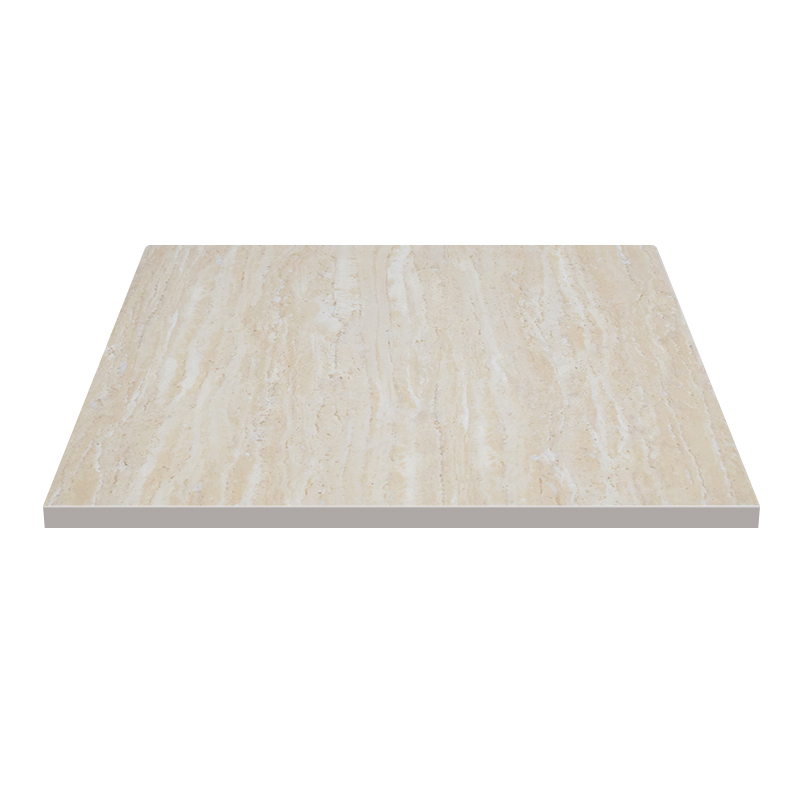
1. Engineered Wood Core (Melamine / MDF / Particle Board)
Best for: Cafes, casual dining, food courts, budget-conscious chain projects
Construction: High-density particle board or MDF core laminated with a thermally fused melamine surface. Realistic stone-look and wood-grain finishes replicate premium materials at a fraction of the cost.
| Property | Rating |
|---|---|
| Scratch resistance | 4/5 |
| Heat resistance | Up to 180°C (brief contact) |
| Water resistance | 3/5 (sealed edges required) |
| Price tier | $ — Best Value |
| Typical lifespan | 3–5 years (high-traffic) |
Why buyers choose it: Unbeatable cost-to-performance ratio. When you're outfitting 300 cafe locations, melamine tops deliver consistent appearance and acceptable durability at a price point that keeps project budgets viable.
Key consideration: Always specify sealed PVC or matching edge banding. Unsealed edges are the #1 failure point in humid or wet environments.
2. Sintered Stone
Best for: Fine dining restaurants, luxury hotels, premium brand flagships
Construction: Compressed natural minerals fired at extreme temperatures to create a dense, non-porous surface. Replicates the look of natural marble and stone with superior performance.
| Property | Rating |
|---|---|
| Scratch resistance | 5/5 |
| Heat resistance | Up to 300°C |
| Stain resistance | 5/5 |
| Price tier | $$$ — Premium |
| Typical lifespan | 7–10+ years |
Why buyers choose it: When a hotel lobby or Michelin-starred dining room demands an upscale aesthetic that also survives daily service, sintered stone is the answer. Heat-proof enough for hot plates directly off the line, stain-proof against wine and coffee, and virtually scratch-proof.
Key consideration: Heavier than most materials. Ensure your table base load rating is adequate.
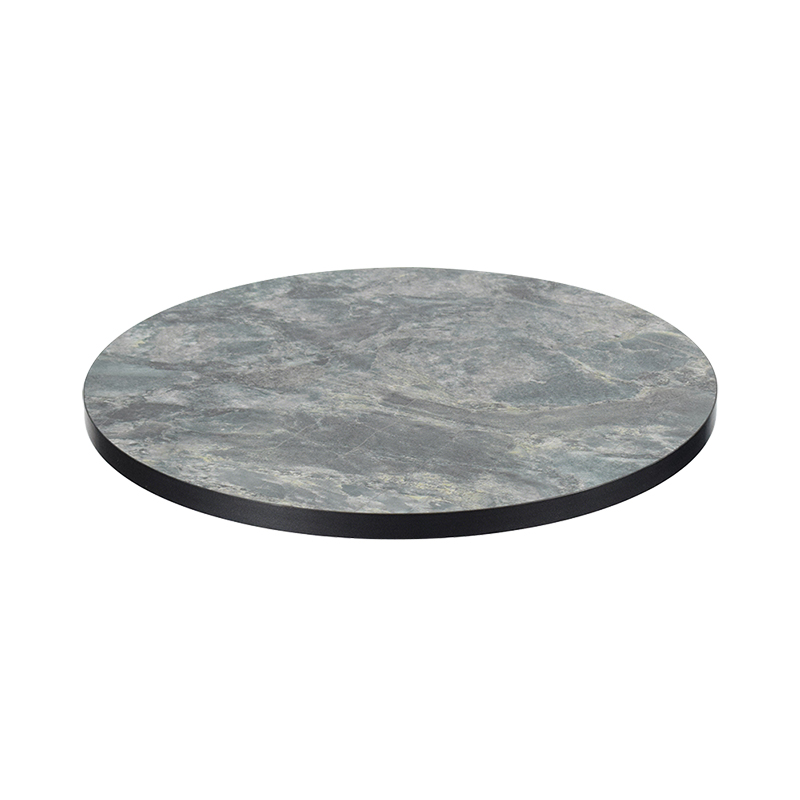
3. Engineered Marble
Best for: Upscale restaurants, hotel dining rooms, event venues
Construction: Natural marble particles blended with resin to produce consistent veining patterns. Lighter than solid marble, easier to fabricate, and color-consistent across production batches.
| Property | Rating |
|---|---|
| Scratch resistance | 4/5 |
| Heat resistance | Up to 200°C |
| Stain resistance | 4/5 |
| Price tier | $$ — Mid-Range |
| Typical lifespan | 5–7 years |
Why buyers choose it: The aesthetic of real marble without the weight, cost, or inconsistency of natural stone. For multi-location projects where every table must look identical, engineered marble solves the natural-variation problem.
Key consideration: Requires resealing every 18–24 months in high-traffic environments to maintain stain resistance.
4. High-Pressure Laminate (HPL Laminate)
Best for: Food courts, school cafeterias, chain restaurants, QSR locations
Construction: Multiple layers of kraft paper impregnated with resin and compressed under high pressure. E0 eco-friendly core options available for green building compliance.
| Property | Rating |
|---|---|
| Impact resistance | 5/5 |
| Water resistance | 4/5 |
| Heat resistance | Up to 180°C |
| Price tier | $$ — Mid-Range |
| Typical lifespan | 5–8 years |
Why buyers choose it: Built for abuse. If your tables will be hit by trays, scrubbed with industrial cleaners, and exposed to spilled beverages in a 24-hour food court, HPL laminate is the workhorse.
Key consideration: Edge moisture penetration is the primary failure mode. Specify post-formed or fully sealed edges for wet environments.
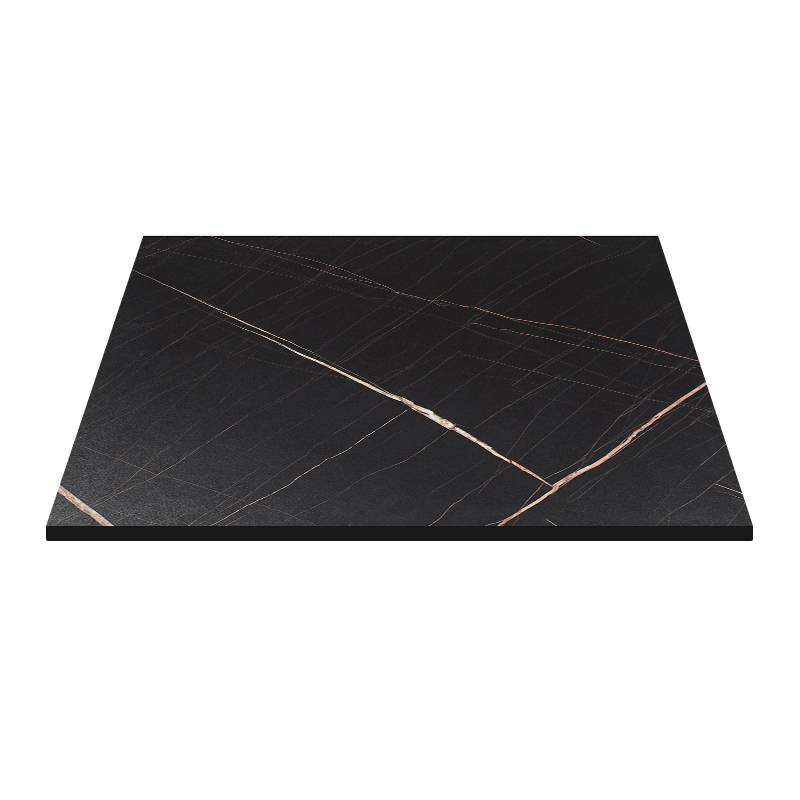
5. Porcelain Riprap
Best for: Outdoor patios, rooftop dining, poolside bars, all-weather venues
Construction: High-density porcelain fired at extreme temperatures. Near-zero water absorption and heat resistance up to 600°C.
| Property | Rating |
|---|---|
| Heat resistance | 5/5 (Up to 600°C) |
| Water absorption | Less than 0.1% |
| UV stability | 5/5 |
| Frost resistance | 5/5 |
| Price tier | $$$ — Premium |
| Typical lifespan | 8–12+ years (outdoor) |
Why buyers choose it: The only material in this lineup truly built for permanent outdoor use. Zero water absorption means it won't crack in freeze-thaw cycles. 600°C heat resistance means you can place hot cookware directly on the surface.
6. Metal Table Tops (Cold-Rolled Steel and Aluminum)
Best for: Bars, bistros, industrial-themed spaces, brewery taprooms
Construction: Cold-rolled steel or aluminum substrate with powder-coated finish. Rust-resistant treatment for indoor and semi-outdoor applications.
| Property | Rating |
|---|---|
| Impact resistance | 5/5 |
| Heat resistance | 5/5 |
| Rust resistance | 4/5 (powder-coated) |
| Price tier | $$ — Mid-Range |
| Typical lifespan | 7–10 years |
Why buyers choose it: Industrial design trends have made raw metal surfaces a permanent fixture in bar and bistro environments. Beyond aesthetics, metal tops offer unmatched impact and heat resistance.
7. HPL Compact (Through-Color Phenolic Core)
Best for: Wet-area venues, outdoor cafes, heavy-use commercial projects
Construction: Solid phenolic core with through-color construction. Self-supporting — no additional substrate or edge banding required. Highly moisture-resistant.
| Property | Rating |
|---|---|
| Moisture resistance | 5/5 |
| Impact resistance | 5/5 |
| Self-supporting | Yes (no substrate needed) |
| Price tier | $$ — Mid-Range |
| Typical lifespan | 6–10 years |
Why buyers choose it: When water is a constant — poolside bars, coastal restaurants, or areas with daily deep-cleaning protocols — HPL compact's through-color core means even a deep scratch won't expose a different substrate.
8. Tempered Glass
Best for: Modern bars, contemporary cafes, hospitality venues
Construction: 8–12mm safety-tempered glass with beveled edge finish. Available in clear or frosted variants.
| Property | Rating |
|---|---|
| Aesthetic impact | 5/5 |
| Cleanability | 5/5 |
| Scratch resistance | 4/5 |
| Price tier | $$ — Mid-Range |
| Typical lifespan | 5–8 years |
Why buyers choose it: Glass tops create visual lightness in compact spaces, reflect light to make small venues feel larger, and offer unmatched cleanability — a critical factor in post-pandemic hygiene protocols.
9. Resin Table Tops
Best for: Boutique hotels, high-end restaurants, bespoke commercial projects
Construction: Seamless cast resin with custom-embedded textures, patterns, and colors. Formaldehyde-free composition.
| Property | Rating |
|---|---|
| Design flexibility | 5/5 (seamless custom shapes) |
| Cleanability | 4/5 (non-porous) |
| Scratch resistance | 4/5 |
| Price tier | $$$ — Premium |
| Typical lifespan | 6–8 years |
Why buyers choose it: When a brand needs a signature surface that no competitor can replicate — custom color matching, embedded branding elements, or organic textures — resin delivers.
Quick Comparison Matrix
| Material | Best For | Heat Res. | Durability | Price | Outdoor? |
|---|---|---|---|---|---|
| Melamine / MDF | Cafes, casual dining | 180°C | 4/5 | $ | No |
| Sintered Stone | Fine dining, luxury | 300°C | 5/5 | $$$ | Limited |
| Engineered Marble | Upscale restaurants | 200°C | 4/5 | $$ | No |
| HPL Laminate | Food courts, QSR | 180°C | 5/5 | $$ | No |
| Porcelain Riprap | Outdoor, patio | 600°C | 5/5 | $$$ | Yes |
| Metal | Bars, industrial | High | 5/5 | $$ | Semi |
| HPL Compact | Wet areas, outdoor | Moderate | 5/5 | $$ | Yes |
| Tempered Glass | Modern bars, cafes | Moderate | 4/5 | $$ | Limited |
| Resin | Boutique, bespoke | Moderate | 4/5 | $$$ | No |
Shape and Size: What to Specify for Your Project
Standard Shapes
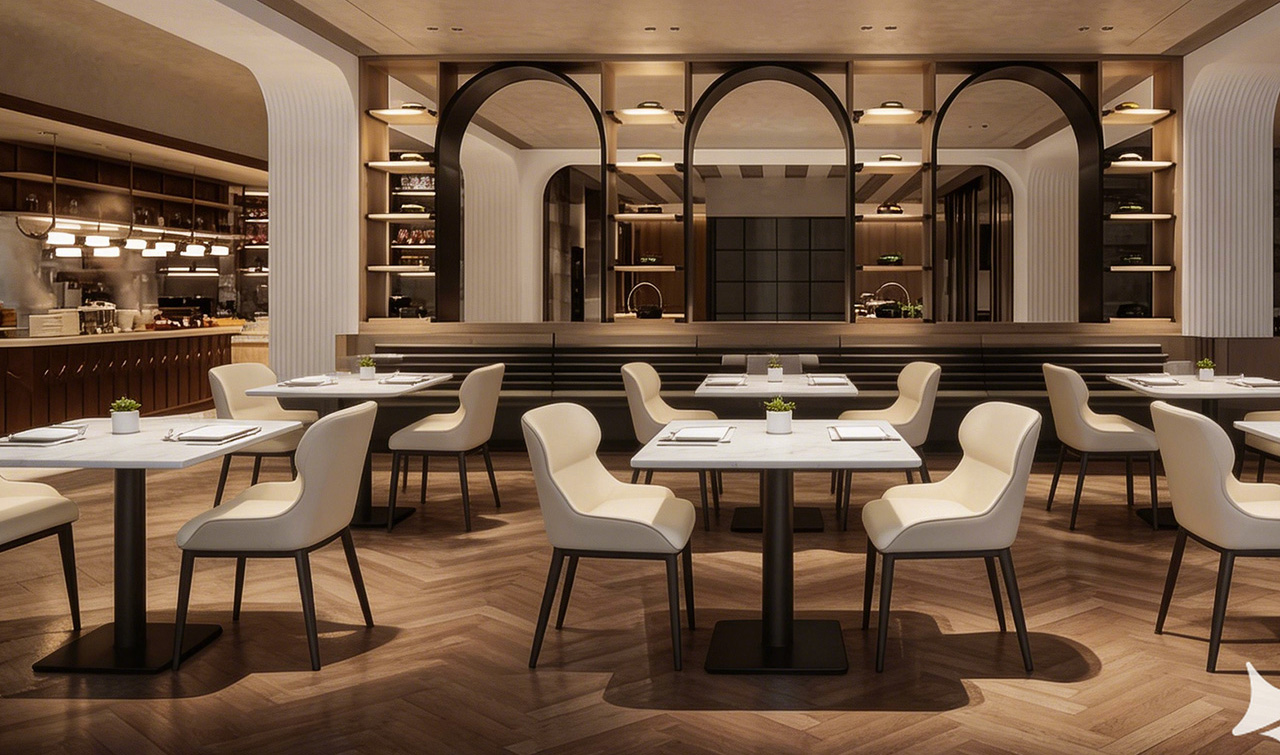
Commercial table tops come in six primary shapes, each suited to different space configurations:
- Round — Promotes conversation, ideal for 2–4 person dining. Standard diameters: 600mm, 700mm, 750mm, 800mm.
- Square — Maximizes floor space efficiency in grid layouts. Standard sizes: 600x600, 700x700, 800x800mm.
- Rectangular — The workhorse for restaurant dining. Standard sizes: 1200x600, 1400x700, 1600x800mm.
- Oval — Combines rectangular capacity with softer edges. Good for banquet-style settings.
- D-Shape / Half-Circle — Space-saving for wall-mounted or booth applications.
- Irregular — Custom-fabricated for unique architectural requirements or brand-specific designs.
Custom Sizing
Standard sizes don't fit every project. AEONTI's CNC fabrication capability produces custom-cut tops from 600mm compact cafe surfaces up to 3000mm conference tables, with cutting tolerance within ±0.5mm. For multi-location rollouts, consistent custom sizing across all sites is guaranteed through batch-controlled production.
Edge Profiles
| Edge Profile | Best For | Durability |
|---|---|---|
| Straight | Modern, minimalist | Good — simple to clean |
| Beveled | Premium aesthetic | Good — reduces chipping |
| Bullnose | Traditional, high-traffic | Excellent — rounded edge resists impact |
| Waterfall | Contemporary, seamless | Excellent — continuous surface |
| Chamfered | Industrial, architectural | Good — adds visual depth |
Surface Finishes
Over 100 surface options across all material families:
- Matte, Gloss, Textured
- Wood-grain (walnut, oak, grey stone, dark stone)
- Stone-pattern (marble, travertine, concrete)
- Leather grain, Brushed metal, Solid color
Durability and Quality Testing: What to Ask Your Supplier
When evaluating commercial table tops wholesale, the right supplier should be able to provide test documentation. Here's what to verify:
1. Humidity Chamber Test (48-Hour)
Table tops are placed in a controlled humidity chamber for 48 hours to simulate extended moisture exposure. Pass criteria: no delamination, no edge swelling, no surface warping. This test is critical for tropical markets and outdoor-adjacent applications.
2. Taber Abrasion Test
A standardized abrasion wheel rotates against the surface to simulate years of wear. Commercial-grade melamine surfaces should exceed 400 cycles; HPL laminate should exceed 1,000 cycles; sintered stone typically exceeds 10,000 cycles.
3. Certifications to Verify
| Certification | What It Covers | Why It Matters |
|---|---|---|
| CE | European safety standards | Required for EU market access |
| SGS | Third-party quality verification | Provides buyer confidence for tenders |
| RoHS | Restriction of hazardous substances | Required for government and institutional projects |
| E0 (core) | Formaldehyde emission class | Critical for green building and indoor air quality |
If your supplier cannot provide these test reports with bulk orders, that's a red flag.
Sourcing Strategy for Wholesale Buyers
One Supplier, Multiple Materials — Why It Matters
Sourcing table tops from multiple suppliers for a single project creates three problems:
- Color inconsistency: Different suppliers use different base materials, resulting in visible tonal differences across a venue.
- Logistics complexity: Multiple shipments, multiple customs clearances, multiple quality standards.
- Warranty fragmentation: When something fails, no single supplier takes responsibility.
AEONTI's approach: nine material families under one roof, with batch-controlled production ensuring color consistency across all materials and all order volumes. One PO covers every table top in your project.
Minimum Order Quantities and Lead Times
| Order Type | Typical MOQ | Lead Time |
|---|---|---|
| Standard catalog | 50 pcs | 15–20 days |
| Custom size/finish | 100 pcs | 25–35 days |
| OEM/ODM with logo | 200 pcs | 35–45 days |
| Multi-material project | Varies | 30–45 days (consolidated) |
Custom Brand Integration
For chain operators and brand owners, table tops are brand touchpoints. AEONTI supports:
- Laser engraving — Permanent logo etching on metal and stone surfaces
- Silkscreen printing — Multi-color logos on laminate and melamine
- Inlay work — Recessed metal or resin brand elements
- Custom packaging — Inner and outer packaging tailored to distribution logistics
Shipping and Incoterms
With 20,000+ table tops produced monthly and shipping to 60+ countries, AEONTI offers flexible shipping terms:
- FOB (Free On Board) — Buyer arranges shipping from Foshan, China
- EXW (Ex Works) — Buyer picks up from factory
- DDP available on request — Door-to-door delivery including duties
Decision Framework: Which Table Top Is Right for You?
Still unsure? Use this quick decision tree:
What's your primary venue type?
- Fast-casual / QSR — HPL Laminate or Melamine (durability at value)
- Fine dining / Luxury hotel — Sintered Stone or Resin (premium aesthetic + performance)
- Cafe / Casual dining — Melamine or Engineered Marble (balance of cost and style)
- Outdoor / Patio — Porcelain Riprap or HPL Compact (weather-proof)
- Bar / Brewery — Metal or Tempered Glass (industrial aesthetic + cleanability)
- Boutique hotel — Resin or Sintered Stone (signature, unique surfaces)
What's your budget tier?
- $ Value-driven — Melamine, HPL Laminate
- $$ Balanced — Engineered Marble, HPL Compact, Metal, Glass
- $$$ Premium — Sintered Stone, Porcelain Riprap, Resin
What's your replacement cycle target?
- 3–5 years — Melamine is adequate and most cost-effective
- 5–8 years — HPL Laminate, Engineered Marble, Metal, Glass
- 8+ years — Sintered Stone, Porcelain Riprap, HPL Compact
Why Source Table Tops from AEONTI
Not all table top manufacturers are equal. Here's what differentiates a factory-direct wholesale partner from a trading company:
- 16+ years of commercial furniture manufacturing — Not a trading company. We own the production line.
- 9 material families under one roof — No need to source from multiple suppliers. One order covers every table top type in your project.
- Quality-tested, every batch — 48-hour humidity chamber test and Taber abrasion test on every material batch. Test reports available with bulk orders.
- Pre-drilled, job-site ready — Threaded insert holes pre-drilled to match your table base plate pattern.
- 20,000+ monthly capacity — Stable supply, consistent material batches, no color variation between repeat orders.
- 60+ countries shipped — FOB/EXW terms, experienced export logistics team.
- Custom brand integration — Laser engraving, silkscreen printing, and inlay work for chain operator standardization.
Conclusion
Choosing the right commercial table top comes down to matching material performance to your operational reality. A 24-hour food court needs HPL laminate. A rooftop restaurant needs porcelain riprap. A Michelin-starred dining room needs sintered stone. The mistake is not choosing the wrong material — it's choosing one material for every application and expecting it to perform across all of them.
When sourcing at wholesale volume, the supplier relationship matters as much as the material. Batch consistency, quality documentation, custom fabrication capability, and reliable lead times determine whether your project launches on schedule — and whether your tables perform for the next 3–10 years.
Not sure which material fits your project? Tell us your application scenario, budget, and durability requirements — we'll recommend the right table top.