Furniture Sampling Guide: Lead Time, Cost & Pre-Production Checks
For restaurants, hotels, cafés, furniture wholesalers, distributors and commercial project buyers, furniture sampling is an important step before placing a bulk order.
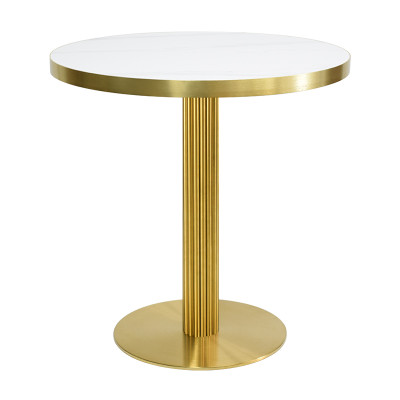
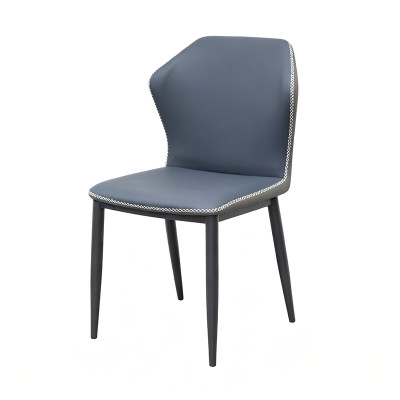
Whether you are sourcing table bases, tabletops, dining tables, dining chairs or complete dining furniture, a physical sample can help you verify the product dimensions, materials, construction, finish and overall appearance before mass production begins.
How long does furniture sampling take?
• How much does a furniture sample cost?
• Is the sample fee refundable or creditable toward a bulk order?
• What should I check after receiving a sample?
• What needs to be confirmed before mass production?
• How can I choose a furniture manufacturer that can support both sampling and bulk production?
This guide explains the furniture sampling process from a B2B buyer's perspective, including sample lead time, sample cost, pre-production checks and common sampling mistakes.
What Is Furniture Sampling?
Furniture sampling is the process of producing one or more product samples before mass production based on the buyer's design, drawings, dimensions, materials, colors and technical requirements.
For customized and commercial furniture projects, the approved sample can become an important reference for the final production.
A typical furniture sampling process looks like this:
Stage
What Happens
Buyer's Role
Product Design
Design and structure are defined
Provide drawings, images or specifications
Provide drawings, images or specifications
Dimensions and technical details are confirmed
Approve specifications
Material Selection
Materials and finishes are selected
Confirm materials
Sample Production
Manufacturer produces the sample
Review the sample
Sample Inspection
Dimensions, structure and finish are checked
Provide feedback
Sample Revision
Changes are made if required
Confirm revisions
Final Approval
Final sample and specifications are approved
Approve production
Mass Production
Bulk production begins
Monitor production and quality
For B2B buyers, the purpose of sampling is not simply to “see what the product looks like.”
The main purpose is to verify the final product before committing to a large production quantity.
Why Is Furniture Sampling Important for B2B Buyers?
A small problem in a single sample can become a significant cost when multiplied across hundreds or thousands of units.
For example, if the height of a commercial table is incorrect, the issue may be easy to correct during the sampling stage. However, if hundreds of tables have already been produced, correcting the problem may involve rework, repackaging and additional transportation costs.
Furniture sampling can help identify:
Potential Problem
What Sampling Can Help Prevent
Incorrect dimensions
Product size mismatch
Wrong materials
Deviation from specifications
Color difference
Inconsistent appearance
Incorrect finish
Unsatisfactory surface quality
Structural problems
Stability issues
Poor welding
Structural and durability concerns
Incorrect hardware
Assembly problems
Tabletop/base mismatch
Compatibility issues
Insufficient packaging
Transportation damage
Production inconsistency
Differences between sample and bulk order
For commercial furniture projects, sampling is an important risk-control step before mass production.
How Long Does Furniture Sampling Take?
There is no single standard lead time for every furniture sample.
Furniture sample lead time can depend on:
• Product complexity
• Material availability
• Custom dimensions
• Surface finish
• Tooling or mold requirements
• Engineering work
• Sample quantity
• Factory production schedule
• Number of revisions
Standard products are usually simpler to sample, while new product development and highly customized commercial furniture may require more time.
Sampling Type
Complexity
Main Lead Time Factors
Standard product sample
Low
Stock and material availability
Modified standard product
Medium
Design changes
Custom furniture sample
Medium–High
Custom engineering and production
Complex commercial furniture
High
Structure, materials and processing
New product development
High
Engineering, tooling and testing
What Affects Furniture Sample Lead Time?
1. Product Structure
More complex products usually require more engineering and production processes.
2. Material Availability
Special metals, wood, sintered stone, special finishes and other materials may require additional sourcing time.
3. Custom Dimensions
Non-standard dimensions may require production adjustments or new tooling.
4. Surface Finish
Powder coating, plating, painting and custom colors can affect the sample schedule.
5. Tooling and Molds
New molds or special tooling can add development time.
6. Sample Revisions
Multiple rounds of revisions naturally extend the overall sampling process.
7. Factory Production Schedule
The manufacturer's current production schedule can also affect when a sample can be completed.
How Much Does a Furniture Sample Cost?
There is no universal price for a furniture sample.
The sample cost normally depends on the product, materials, size, customization level, production process, tooling requirements and sample quantity.
Cost Factor
Potential Impact on Sample Cost
Product Size
Larger products may require more material
Materials
Different materials have different costs
Custom Design
More engineering work may increase cost
Tooling
New molds or tooling may create additional costs
Sample Quantity
Multiple samples increase total cost
Packaging
Customized packaging may increase cost
International Shipping
Sample freight is often calculated separately
Instead of simply asking:
How much is the sample?
B2B buyers should provide:
• Product images
• Product dimensions
• Materials
• Surface finish
• Estimated order quantity
• Target market
• Customization requirements
• Packaging requirements
The more complete the information, the easier it is for a manufacturer to evaluate the sample requirements and provide an accurate quotation.
Is the Furniture Sample Fee Refundable?
Sample fee policies vary from one furniture manufacturer to another.
Some manufacturers may credit part or all of the sample fee toward a future bulk order, while others may charge sample, tooling and shipping costs separately.
Before starting the sampling process, buyers should confirm:
Item
What to Confirm
Sample Fee
How much is the sample?
Tooling Fee
Is new tooling required?
Shipping Cost
How will sample freight be calculated?
Refund Policy
Is the sample fee refundable?
Order Credit
Can the sample fee be credited to the bulk order?
Revision Cost
Will additional revisions create extra costs
Do not evaluate a supplier based only on the sample price. Consider the total sourcing cost and production process.
What Should You Check Before Approving a Furniture Sample?
This is one of the most important steps in the furniture sourcing process.
After receiving a sample, buyers should check the following:
Furniture Sample Approval Checklist
Checkpoint
What Buyers Should Check
Dimensions
Length, width, height and thickness
Materials
Material type and specifications
Color
Color consistency
Finish
Powder coating, plating, painting, etc.
Welding
Weld quality and appearance
Structure
Stability and construction
Load Capacity
Whether it meets project requirements
Hardware
Screws, fittings and accessories
Assembly
Ease of assembly
Tabletop Compatibility
Whether components fit correctly
Packaging
Protection during transportation
Labels
Product and carton labeling
A sample should not only look good. It should also meet the technical and functional requirements of the final project.
What Should Be Checked Before Mass Production?
Sample approval is not necessarily the final step.
Before mass production begins, B2B buyers should confirm the final product specifications.
1. Confirm Product Specifications
The final specifications should include:
• Product dimensions
• Materials
• Material thickness
• Product weight
• Surface finish
• Color
• Accessories
• Assembly method
2. Confirm Technical Drawings
For customized furniture, it is recommended to confirm the final technical drawings before production.
Important details may include:
• Product dimensions
• Hole positions
• Tube dimensions
• Board thickness
• Connection methods
• Assembly requirements
• Component specifications
For table and table base projects, mounting hole positions and tabletop compatibility are especially important.
3. Confirm Materials and Finishes
Materials and finishes have a direct impact on the appearance and performance of commercial furniture.
Common materials may include:
• Stainless steel
• Aluminum
• Iron
• Solid wood
• MDF
• HPL
• Sintered stone
• Artificial marble
If your project requires a specific color, finish or texture, confirm the final reference before mass production.
4. Confirm Packaging
Packaging is particularly important for international furniture sourcing.
Buyers should confirm:
• Carton size
• Packaging materials
• Foam protection
• Pallet requirements
• Shipping marks
• Product labels
• Container loading requirements
A high-quality product can still be damaged during international transportation if the packaging is not properly designed.
5. Confirm Quality Standards
Before mass production, buyers should clearly define:
•Inspection requirements
•Acceptable tolerances
•Surface quality
•Welding requirements
•Assembly requirements
•Functional requirements
Clear quality standards help prevent misunderstandings between buyers and manufacturers.
Common Furniture Sampling Mistakes Buyers Should Avoid
Many sourcing problems begin during the sample approval stage rather than during production.
Common Mistake
Possible Result
Not checking dimensions
Incorrect bulk production
Not confirming materials
Material substitution
Not confirming color
Color inconsistency
Not confirming finish
Different appearance
Ignoring packaging
Transportation damage
Making changes after approval
Production delays
Not keeping the approved sample
Difficult quality comparison
No written specifications
Communication problems
Focusing only on sample price
Higher total sourcing cost
For wholesalers and commercial project buyers, it is recommended to keep the approved sample, final drawings and written specifications as references for future production.
How Can You Make Furniture Sampling Faster?
If you want to shorten the sampling process, preparation on the buyer's side is important.
1. Provide Complete Product Information
Whenever possible, provide:
•Product images
•CAD drawings
•Dimensions
•Materials
•Colors
•Surface finish
•Estimated order quantity
2. Confirm Materials Early
Avoid waiting until sample production has already started to make basic material decisions.
3. Consolidate Feedback
Instead of sending one revision after another, try to provide complete feedback in one round.
4. Confirm Technical Drawings Before Sampling
For customized furniture, approving the drawings first can reduce unnecessary sample revisions.
5. Work With an OEM/ODM-Experienced Manufacturer
A manufacturer experienced in OEM and ODM projects is generally more familiar with custom product development, sampling and mass production processes.
Why Is Sampling Important for Commercial Furniture Projects?
For restaurants, hotels, cafés, bars and commercial projects, furniture usually needs to balance:
Appearance + Dimensions + Function + Stability + Production Consistency
For example, a restaurant may need hundreds of tables and chairs.
The buyer does not only need to ask:
“Does this sample look good?”
The more important question is:
“Can hundreds or thousands of units be produced consistently according to this approved sample?”
This is why a pre-production sample is an important part of commercial furniture sourcing.
What Should Furniture Wholesalers Consider When Sourcing?
Furniture wholesalers and distributors should look beyond the sample itself.
Important sourcing factors include:
Sourcing Factor
Why It Matters
Sample Lead Time
Affects product development schedules
Sample Cost
Affects initial development investment
MOQ
Affects inventory planning
Production Capacity
Affects bulk order delivery
Quality Control
Affects long-term consistency
Packaging
Helps reduce transportation damage
OEM/ODM
Enables product customization
Export Experience
Simplifies international sourcing
Product Range
Supports one-stop purchasing
For wholesalers, an ideal supplier should be able to support the project from sample development through mass production and export delivery.
How to Choose a Furniture Manufacturer for Sampling?
When choosing a furniture manufacturer, do not compare suppliers only by sample price.
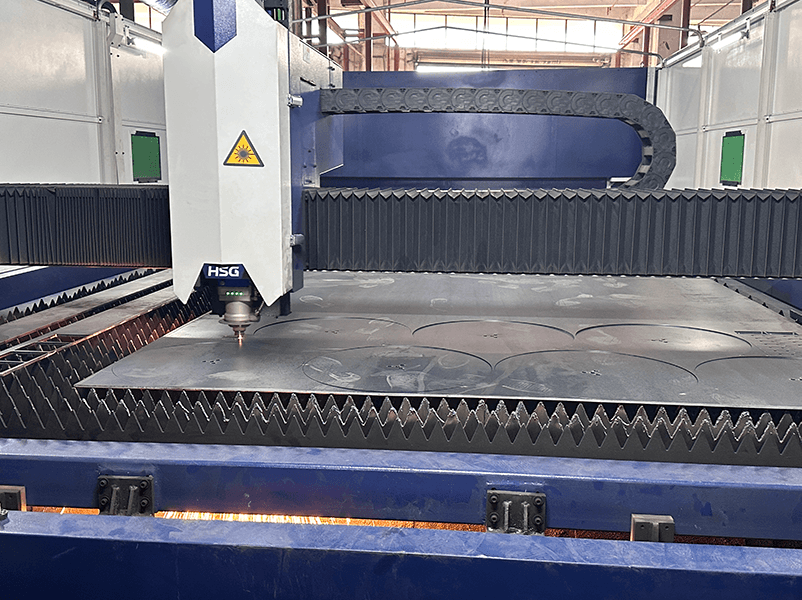
Instead, evaluate whether the manufacturer can support the complete process from design and sampling to quality control and mass production.
Factor
Questions to Ask
Manufacturing Experience
How long has the manufacturer been producing furniture?
OEM/ODM
Can they manufacture customized products?
Sampling
Can they produce custom samples?
Quality Control
What inspection process do they use?
Materials
Can they provide material specifications?
Production Capacity
Can they handle bulk orders?
Export Experience
Do they have international export experience?
Packaging
Can packaging be customized?
Communication
Can they respond efficiently to technical questions?
Why Work With AEONTI for Commercial Furniture Projects?
For B2B buyers developing customized commercial furniture, sampling is only the beginning of the sourcing process.
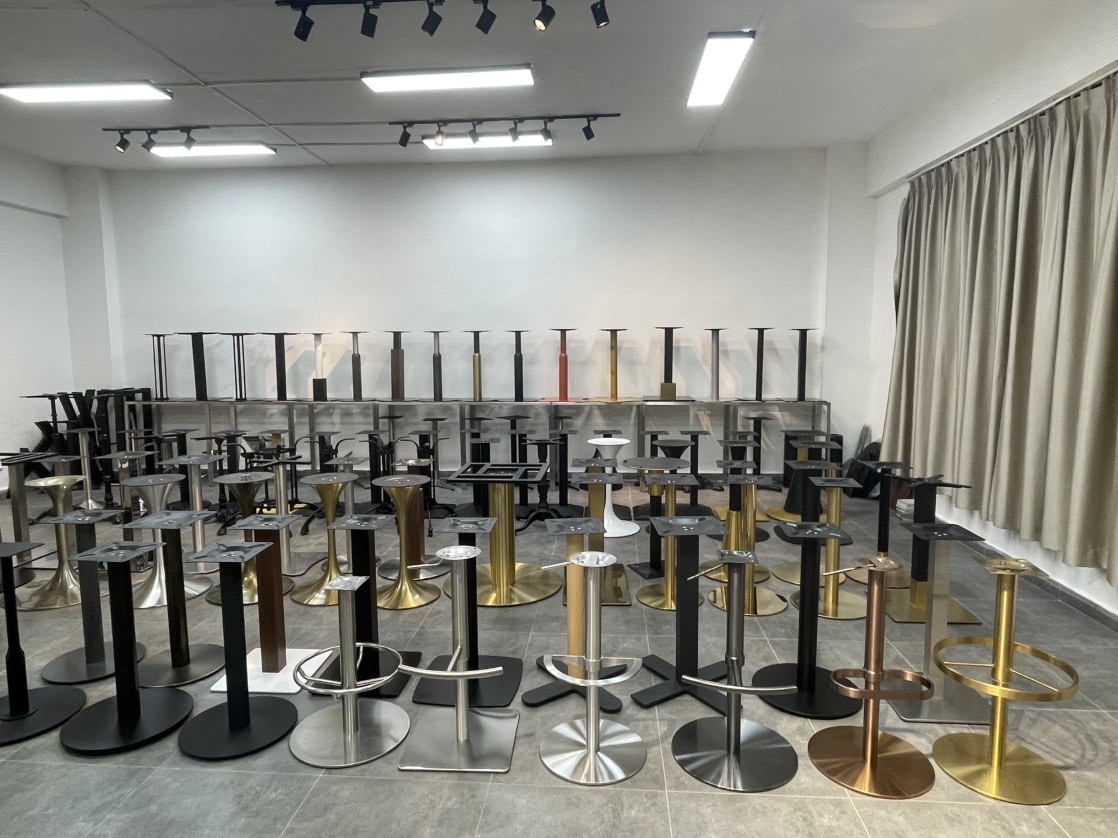
AEONTI provides commercial dining furniture solutions including:
•Table Bases
•Tabletops
•Dining Tables
•Dining Chairs
•Complete Dining Table & Chair Sets
Our products are suitable for:
•Restaurants
•Hotels
•Cafés
•Bars
•Furniture Wholesalers
•Furniture Distributors
•Commercial Projects
With OEM/ODM support, AEONTI can work with buyers based on product drawings, reference images, dimensions, materials and project requirements.
If you are looking for a commercial furniture manufacturer that can support your project from sample development and approval to bulk production and export delivery, send us your requirements.
Furniture Sampling FAQ
How long does furniture sampling take?
Furniture sampling lead time depends on product design, materials, customization requirements, surface finish, tooling and factory production schedules. Standard products are generally simpler to sample than highly customized products.
How much does a furniture sample cost?
Furniture sample cost depends on product size, materials, design complexity, surface finish, tooling requirements and sample quantity. Buyers should request a detailed quotation based on their actual specifications.
Is the furniture sample fee refundable?
Sample fee policies vary between manufacturers. Some suppliers may credit part or all of the sample fee toward a future bulk order, while others may charge sample, tooling and shipping costs separately.
What should I check before approving a furniture sample?
Check dimensions, materials, color, surface finish, welding, structure, stability, hardware, assembly, packaging and compatibility with other components.
What is a pre-production sample?
A pre-production sample is a sample produced before mass production to confirm the final product specifications, materials, construction and finish.
Can furniture manufacturers provide custom samples?
Yes. Furniture manufacturers with OEM/ODM capabilities can often develop samples based on customer drawings, reference images, dimensions, materials and other specifications.
Should I approve the sample before mass production?
For customized commercial furniture projects, approving the final sample and specifications before mass production can help reduce the risk of costly production changes.
What information should I send to a furniture manufacturer?
It is helpful to provide product images, drawings, dimensions, materials, finish requirements, estimated order quantity, target market and packaging requirements.
Can furniture samples be customized for commercial projects?
Yes. Commercial furniture manufacturers can often customize dimensions, materials, finishes, structures and other product details according to project requirements.
Ready to Start Your Furniture Sampling?
Before placing a bulk furniture order, an approved sample can help you confirm the design, dimensions, materials, finish and construction and reduce the risk of costly production changes.
AEONTI provides commercial furniture and OEM/ODM solutions for restaurants, hotels, cafés, bars, furniture wholesalers, distributors and commercial projects.
If you are developing a new table base, tabletop, dining table, dining chair or complete dining furniture project, send us your:
•Product drawings
•Reference images
•Dimensions
•Materials
•Target quantity
•Project requirements
Our team can help evaluate your:
•Sample requirements
•Sample lead time
•Material options
•Customization options
•Production requirements
•Bulk order pricing
Start Your Furniture Sampling Project Today
Send Your Product Requirements → Request a Furniture SampleGet a Custom Quote
Contact AEONTI Today
Turn your furniture concept into a production-ready product with the right manufacturing partner.