Can One Table Base Build More Furniture Collections?
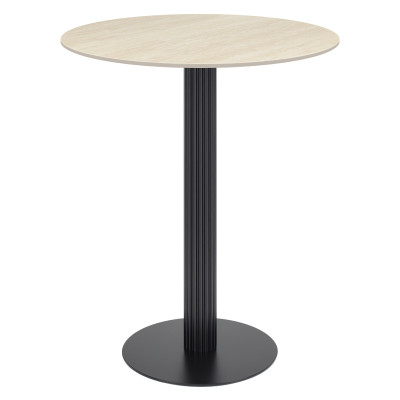
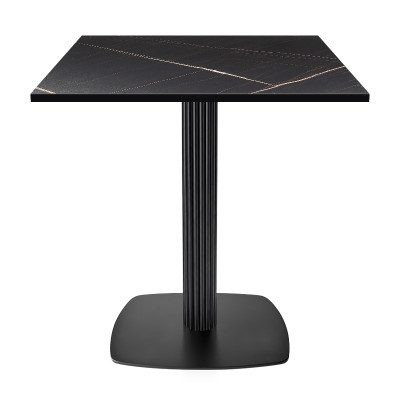
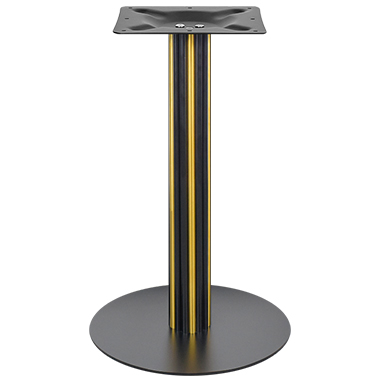
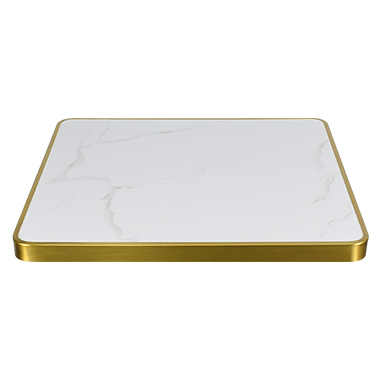
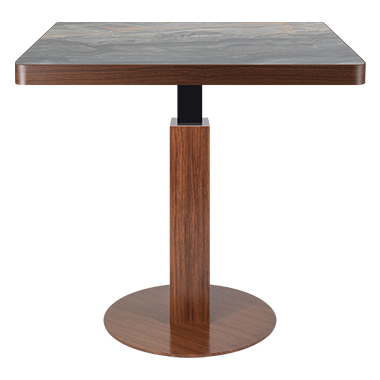
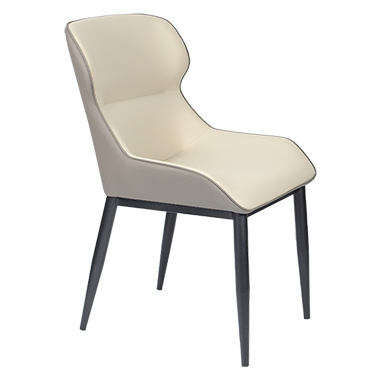
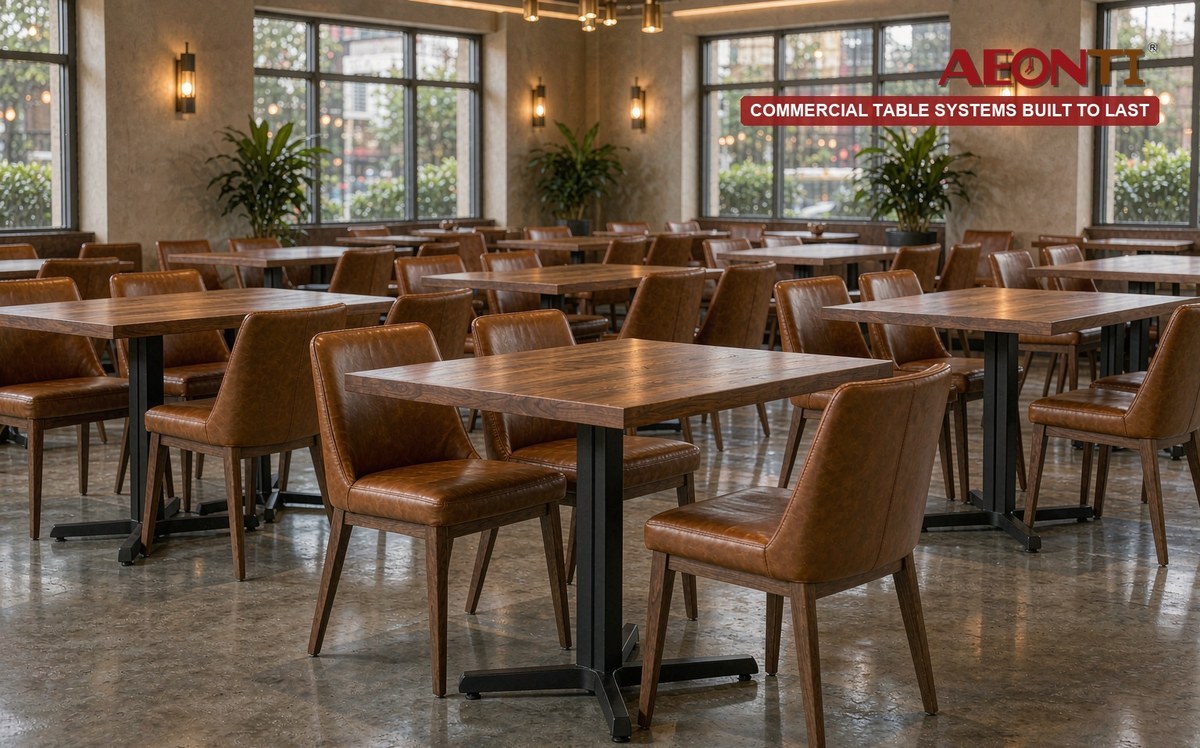
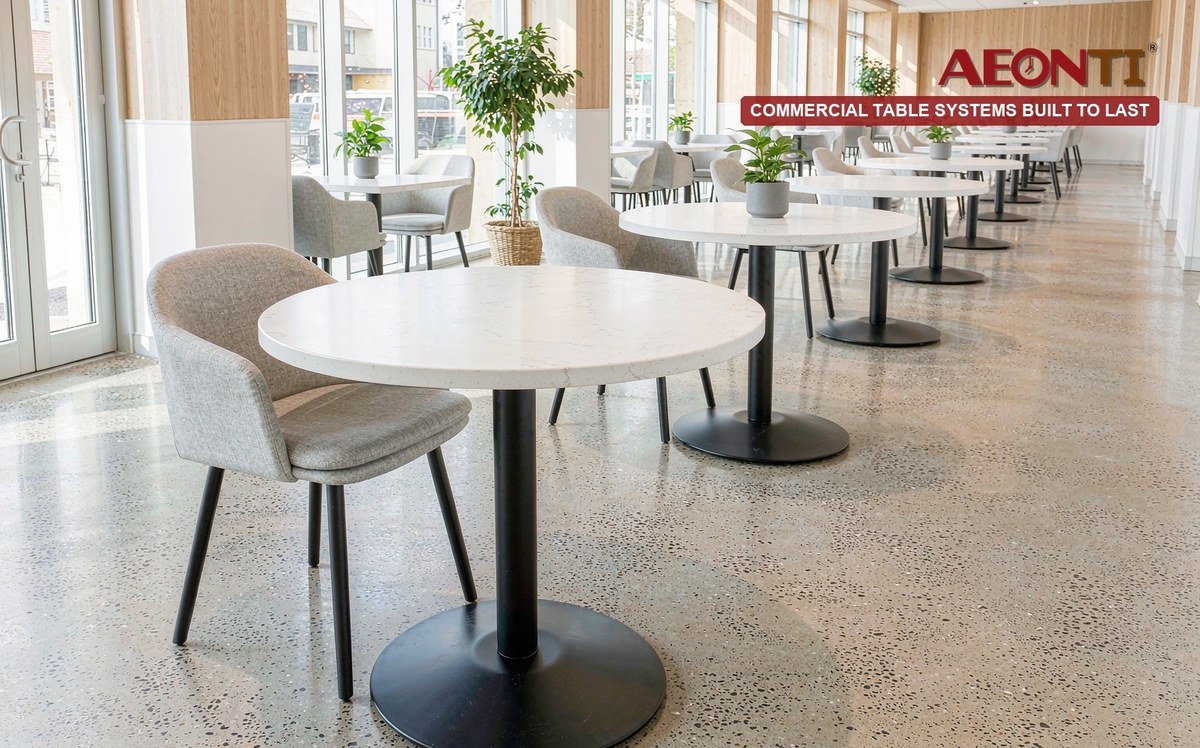
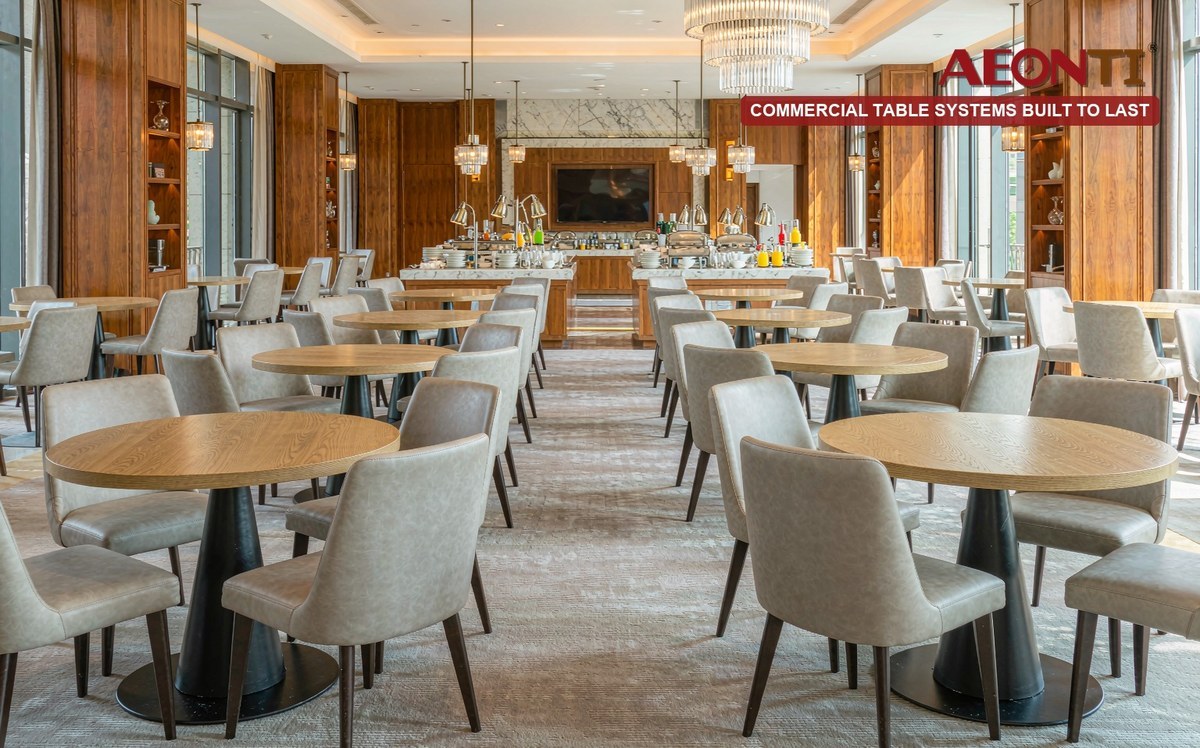
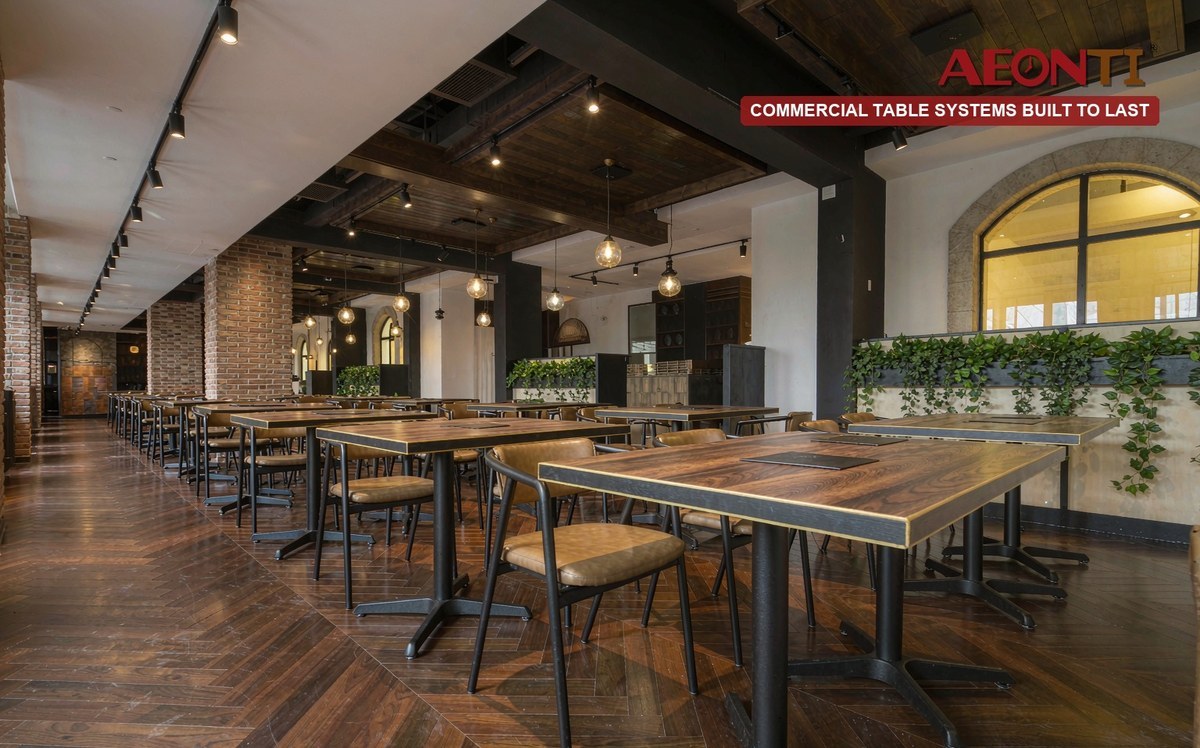
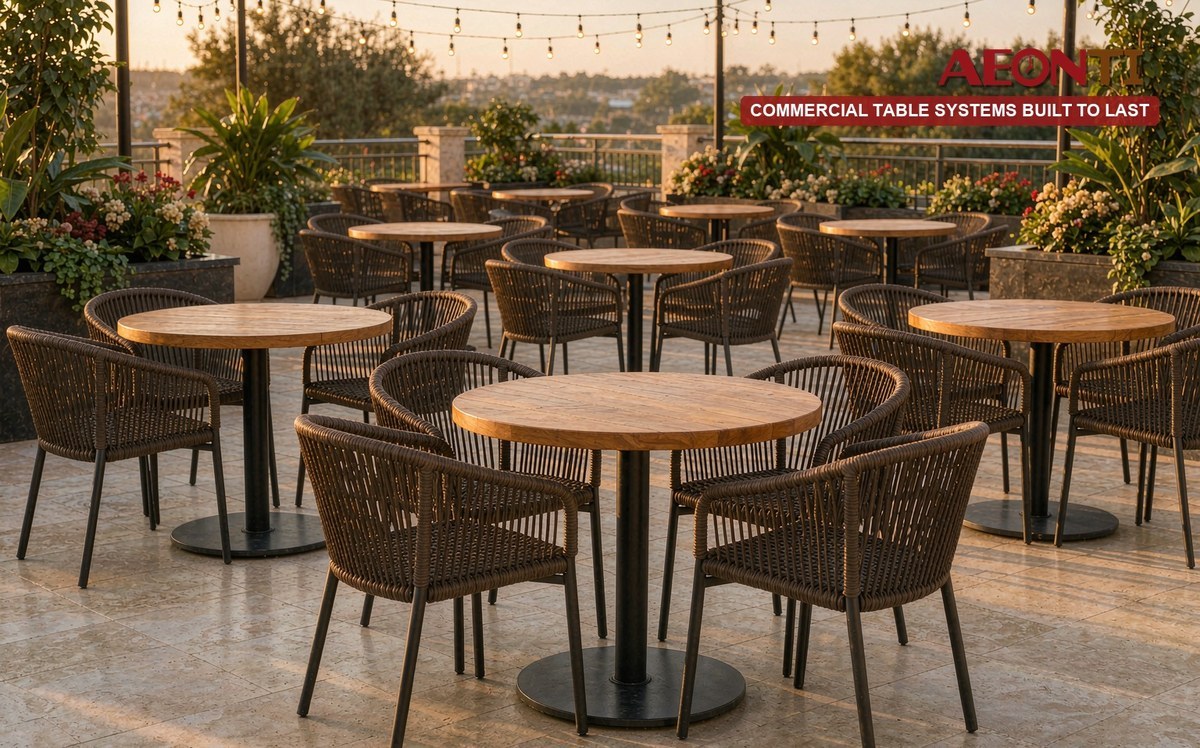
Not every new collection needs an entirely new table. Sometimes the only change is the tabletop, the size, the colour or the surface material — paired with one compatible commercial table base. That single shift can extend a brand into several distinct product lines with far less risk. That is why more furniture brands, wholesalers and commercial furniture buyers are rethinking a basic assumption: Imagine a brand has already developed one stable commercial table base. That same base can be paired with a wood tabletop, an HPL tabletop, a sintered stone tabletop, an artificial marble tabletop, or a compact laminate tabletop. The table base has not fundamentally changed, yet to the customer these are completely different product lines. That is the value of platform-based product development. The first reaction to a new product is often: "We need to design a completely new table." The real question, however, is whether you have a flexible enough table base platform underneath it. If every collection uses a different table base structure, a brand may face more suppliers, more SKUs, more samples, more tooling, more quality-control work, more packaging requirements, more inventory pressure and more purchasing complexity. What starts as product development quietly becomes a supply-chain project. Build one standardised, modular table base system that works across different tabletops and the situation changes completely. AEONTI operates an 8,000 m² factory in Foshan, serves more than 100 countries, keeps lead times at 25–30 days and runs a seven-stage quality-control process. Customers notice the tabletop first — its colour, texture, size, material and design. For a furniture brand, what really determines development efficiency is the structure hidden underneath. A well-engineered commercial table base should be judged on six things: Suppose a brand already owns one metal table base suited to commercial dining. Instead of rebuilding the whole table, it can create new collections simply by changing the top. One structure supports several product directions — especially valuable for companies serving multiple markets, customer groups or brand lines. A brand that currently sells wooden dining tables can enter the restaurant market without developing a whole system from scratch. Try a simpler combination first: an existing tabletop plus a new commercial table base. If feedback is positive, the brand can roll out a Restaurant Collection, a Café Collection, a Hotel Collection or a Contract Furniture Collection — testing a new market with far lower development risk. Many brands worry that launching more product lines will complicate inventory. What matters is not reducing the number of products, but reducing the complexity of the underlying structure. End customers still see a wide range of products, while the supply-chain structure behind the brand becomes simpler. More choices for customers, less complexity for the brand. B2B customers ask for variations all the time: "Can you make this table larger?", "Can we use a different tabletop?", "Do you have a black finish?", "Can this work for a restaurant project?", "Can you make a version for a hotel?" If your table base has a degree of modularity, these adjustments become straightforward instead of requiring a new structure every time. A brand should not only ask how much a table base costs today, but how many products it can help develop in the future. A low-price base may only reduce today's cost; a base with compatibility, stability and customisation ability can help a brand expand collections, reduce development time, simplify sourcing, test new markets, create different price levels, support custom projects and reduce structural duplication. Before ordering, ask a table base manufacturer these seven questions. In product development, the genuinely expensive part is rarely the table base itself — it is the time, samples, communication, testing, inventory and supply-chain cost of every new development cycle. If the answer is yes, that base is worth far more than its purchase price, and a trustworthy table base supplier becomes a long-term partner. A single table can only be sold once. A good table base system helps a brand develop products continuously: one base, different tabletops, different sizes, different finishes, different applications and different collections. That is the real value of a table base. It does not simply hold up a top — it becomes the foundation for product innovation, collection expansion and supply-chain optimisation. Can a table base help a furniture brand create more collections? Absolutely. Treat it as an accessory and your focus stays on price, MOQ and delivery. Treat it as a product-development platform and your focus shifts to compatibility, customisation, stability, scalability and long-term sourcing. At AEONTI we focus on commercial table bases and complete dining solutions for furniture brands, wholesalers, distributors and project buyers. If you are developing a new restaurant collection, expanding your furniture range, or looking for one base that works with multiple tabletop designs, our team can discuss structure, size, finish and packaging with you. Send us your tabletop size, application or product idea. Useful starting points include our wholesale table bases, OEM / ODM customisation, project solutions and the online design tool. You can also request a quote or visit www.aeonti.com. Your next collection may not need a completely new table. It may just need a smarter table base.For a furniture brand, adding a new collection usually means a new tabletop, a new structure, new tooling, new supplier coordination, and new packaging and inventory management. But it does not have to work that way.
1. One Table Base, Multiple Product Possibilities
Combination Resulting Collection Wood Top + Black Base Casual Dining Collection Sintered Stone Top + Black Base Premium Restaurant Collection HPL Top + Commercial Base Hospitality Collection Round Top + Pedestal Base Café Collection Large Top + Heavy-Duty Base Contract / Project Collection 2. Why Stop Developing Every Table from Zero
3. The Hidden Platform Behind Your Collections
Criterion What the brand should ask Compatibility Can it match tabletops of different sizes and shapes? Stability Does it stay stable as tabletop weight and size change? Load Capacity Can it cover dining tables through to heavy-duty commercial tables? Installation Is it easy for brands, dealers or project sites to install? Finish Options Are Black, White, Brushed and Polished custom finishes available? Size Flexibility Can height, footprint and structure be adjusted to the top? 
4. One Base + Different Tabletops = More Collections
Table Base Tabletop Product Positioning Same Base Wood Natural / Casual Same Base HPL Commercial / Practical Same Base Sintered Stone Premium Same Base Artificial Marble Elegant Same Base Compact Laminate Hospitality Same Base Custom Top Project Collection 5. Test New Markets Faster
6. More Collections Does Not Mean More Complexity
Traditional Development Modular Development 10 collections 10 collections 10 different bases 2–3 core table base platforms 10 supplier systems Multiple tabletop options 10 sets of samples Multiple finishes More inventory Multiple sizes 7. Especially Valuable for B2B Furniture Brands
8. Design Around the Buyer's Future Needs
9. What to Ask a Table Base Manufacturer
# Question Why it matters 01 Can one base work with different tabletop sizes? It decides whether the base can be your platform. 02 Can the same design be produced in different finishes? Finishes build different product styles. 03 Can the structure be customised? Footprint, mounting plate, tube diameter and height. 04 Which tabletop materials can it support? Wood, HPL, stone and marble need different support. 05 Can it serve restaurant and residential collections? More product extension room. 06 What is the MOQ for customisation? Critical when testing new products. 07 Does the supplier support OEM / ODM development? You build a long-term development system, not just buy a part. 10. The Base You Can Use Again and Again
11. Think in Systems, Not Single Tables
Final Thought